Taichi: history, rules and fun facts
Why Take an Interest in Tai Chi ?
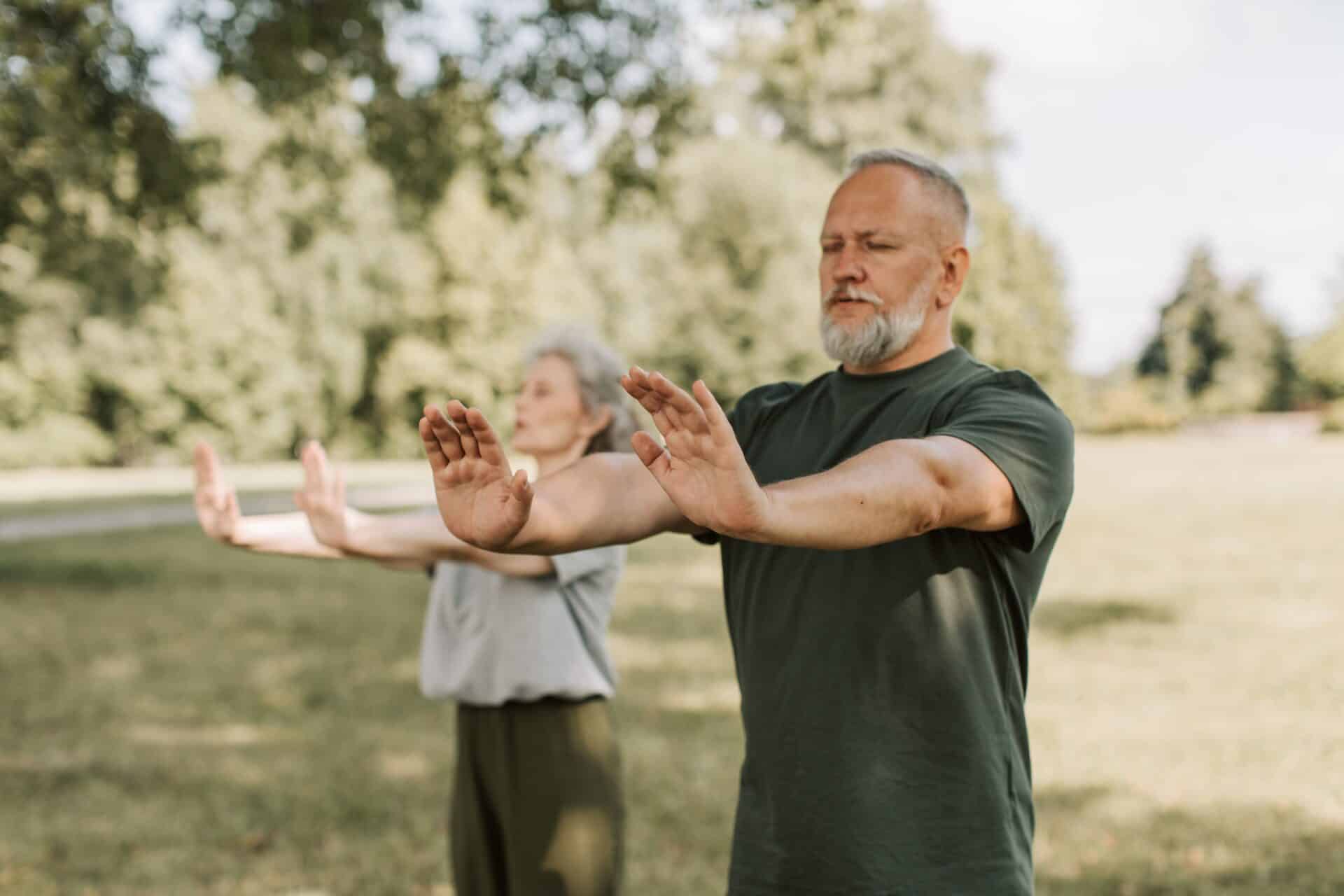
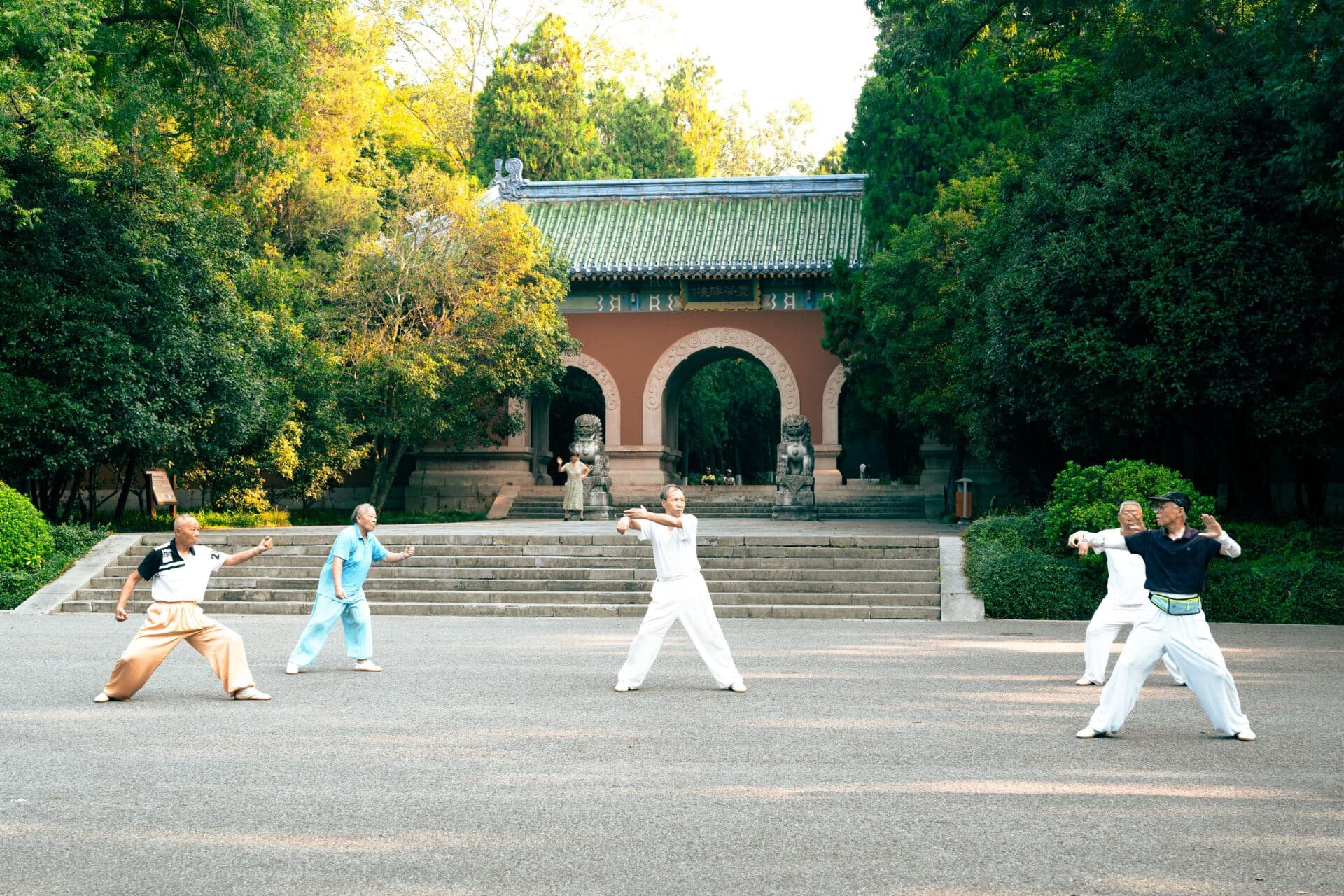
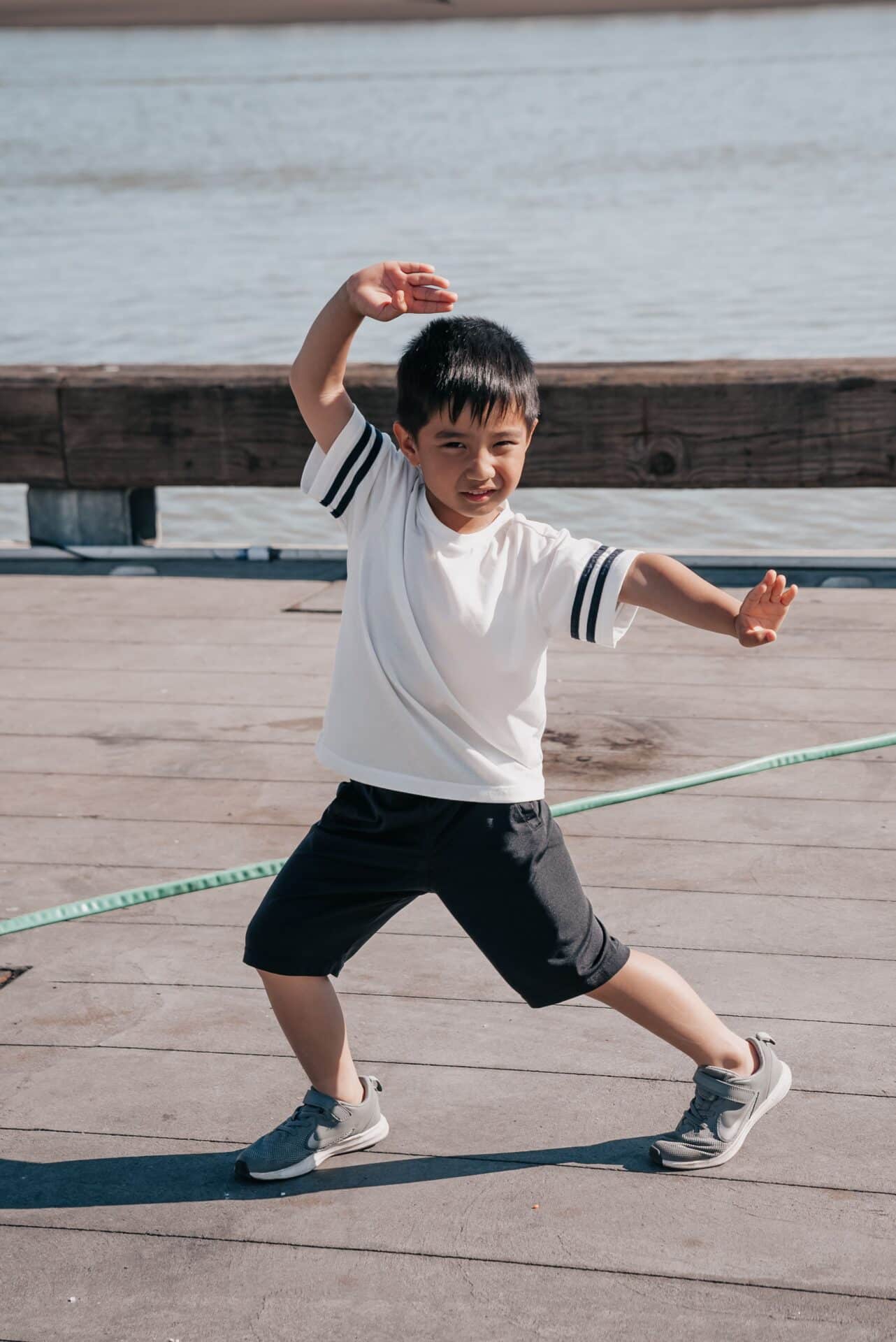
Tai Chi is now one of the world’s most popular wellness practices. Many people picture groups moving slowly through a park early in the morning. But behind this peaceful image lies a true martial art that originated in China hundreds of years ago.
Tai Chi is a practice that requires patience. Every movement is slow and controlled, and breathing is just as important as physical strength. It’s also an excellent way to improve your overall well-being, no matter your age or experience, whether you’re taking your first class or have been practicing for years.
Tai Chi’s Origins
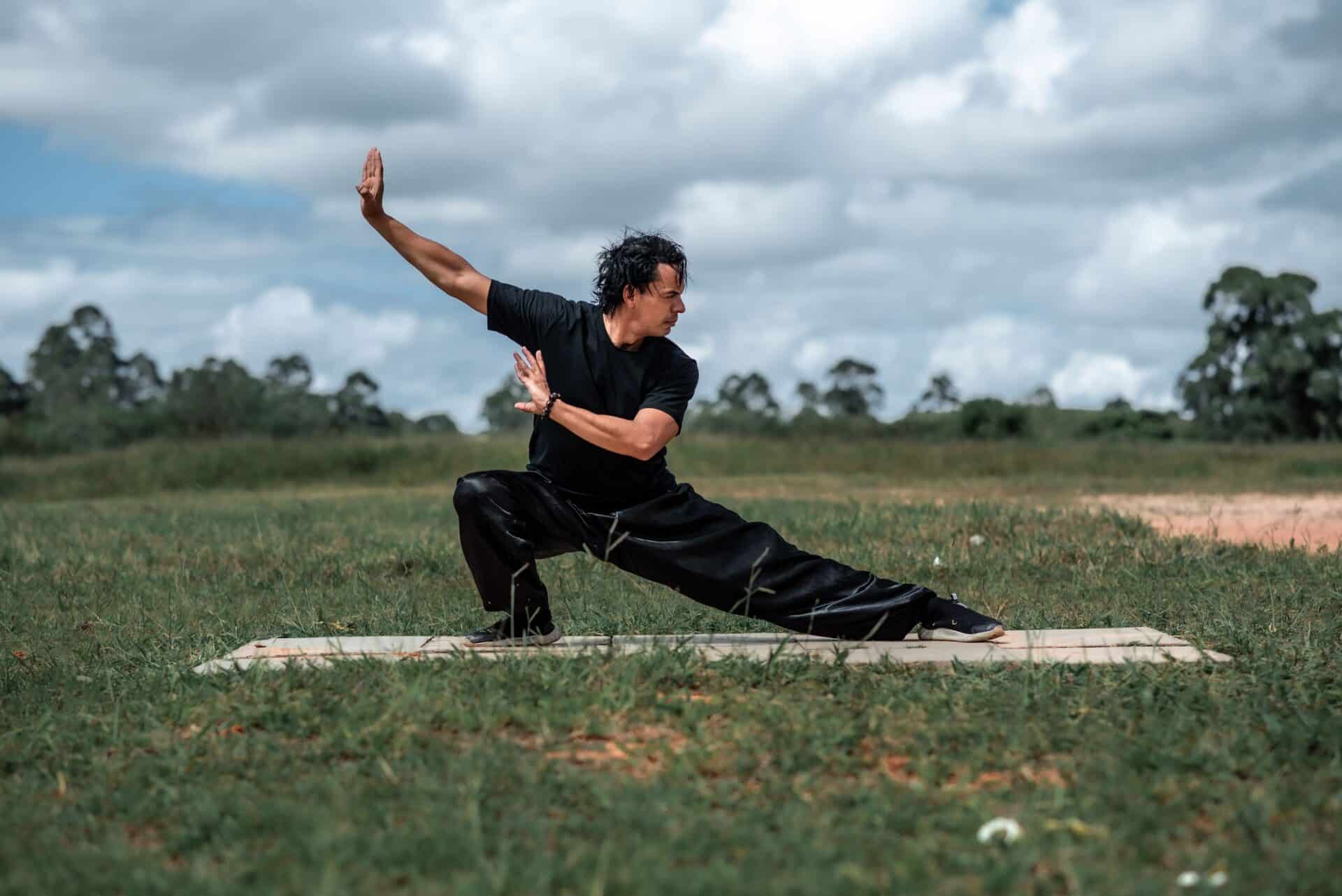
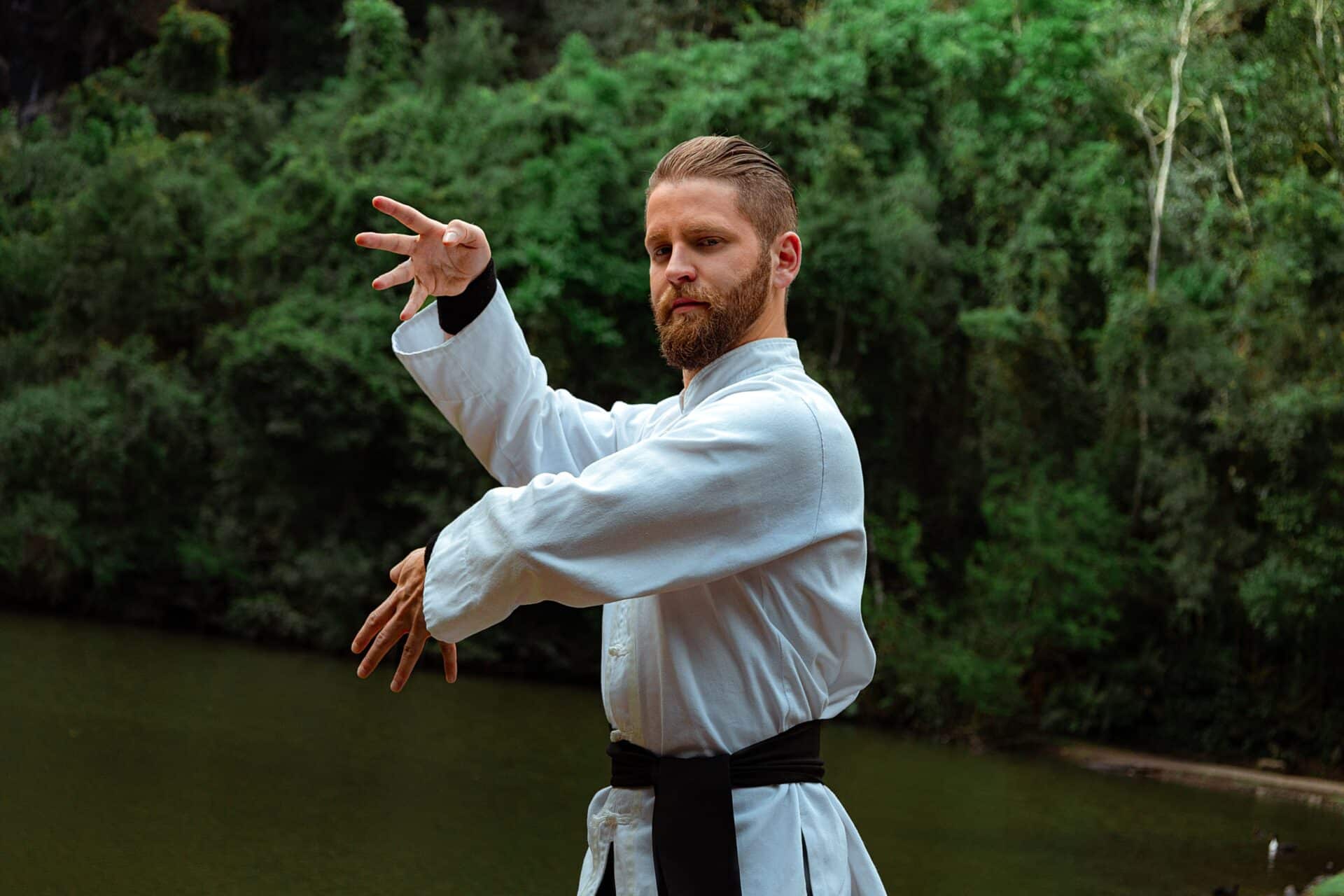
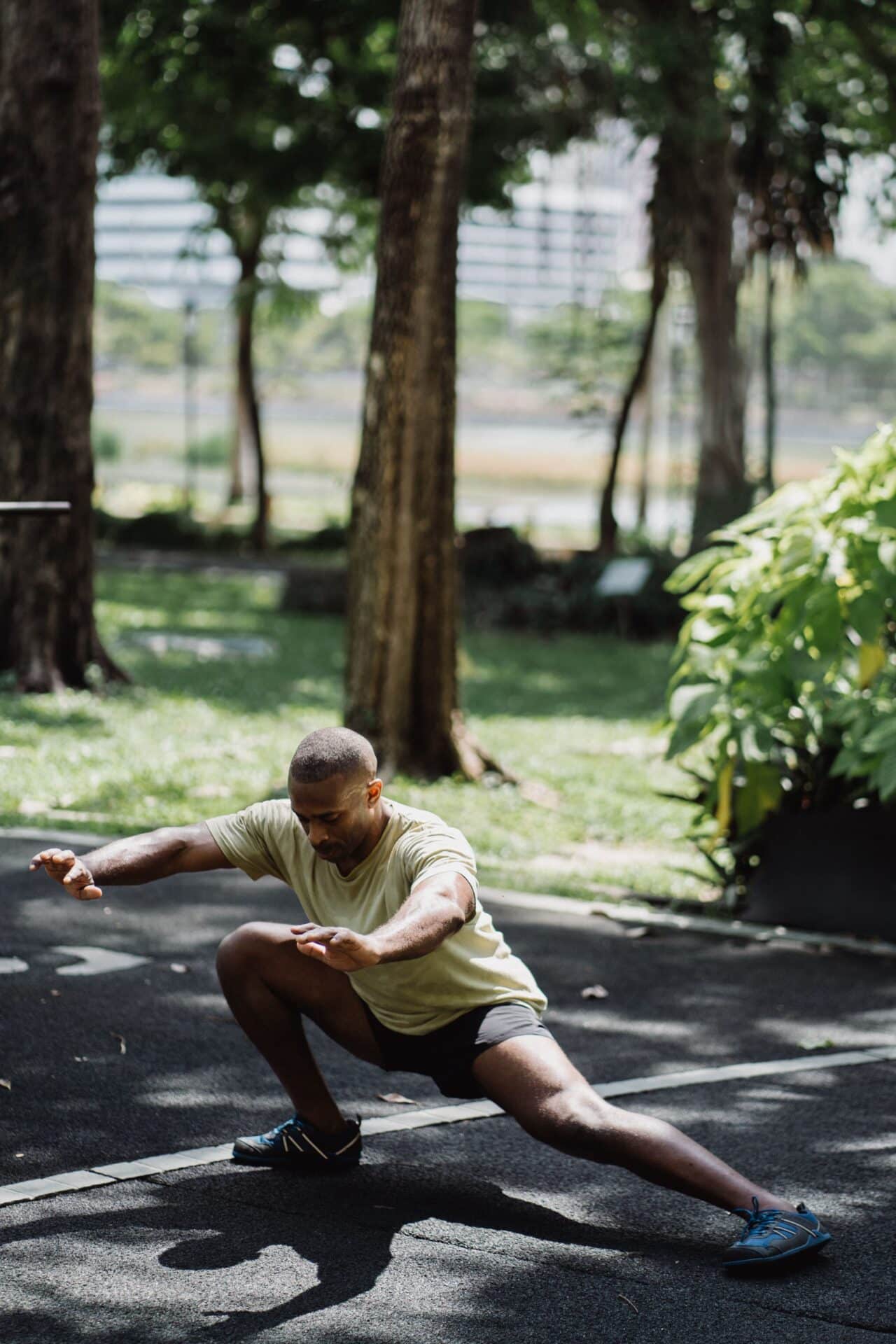
Tai Chi originated in China hundreds of years ago. Inspired by martial arts, traditional Chinese medicine, and Chinese philosophy, it was first developed as a form of self-defense. Unlike many martial arts, Tai Chi focuses on balance, flexibility, and controlled movements rather than physical strength.
According to legend, a monk named Zhang Sanfeng created Tai Chi after watching a fight between a snake and a crane. Historians, however, believe the practice actually originated about 400 years ago in the village of Chenjiagou, where it was developed by the Chen family.
Today, millions of people around the world practice Tai Chi. While some still train in it as a martial art, most people enjoy it for its many health benefits, as well as its ability to promote relaxation and overall well-being.
Tai Chi Styles
Tai Chi is a traditional Chinese martial art that comes in several different styles, each with its own unique approach to movement. Yang style is the most widely practiced around the world and is often recommended for beginners. It features slow, flowing, and easy-to-follow movements. Chen style, the oldest form of Tai Chi, combines gentle movements with faster, more powerful techniques. Other styles, such as Wu and Sun, place greater emphasis on precision, balance, and light, controlled movements.
Today, Tai Chi is best known for its many health benefits, but it remains a traditional martial art at its core. Many classes teach a simplified 24-form routine, designed to make the practice easier to learn. Tai Chi is also increasingly used in rehabilitation and fall prevention programs, especially for older adults, thanks to its ability to improve balance, coordination, and mobility.
4 fun facts about tai chi

Tai Chi Is Recognized by UNESCO
In 2020, UNESCO added Tai Chi to its Representative List of the Intangible Cultural Heritage of Humanity, recognizing its cultural significance and its role in promoting health, well-being, and the transmission of traditional knowledge.
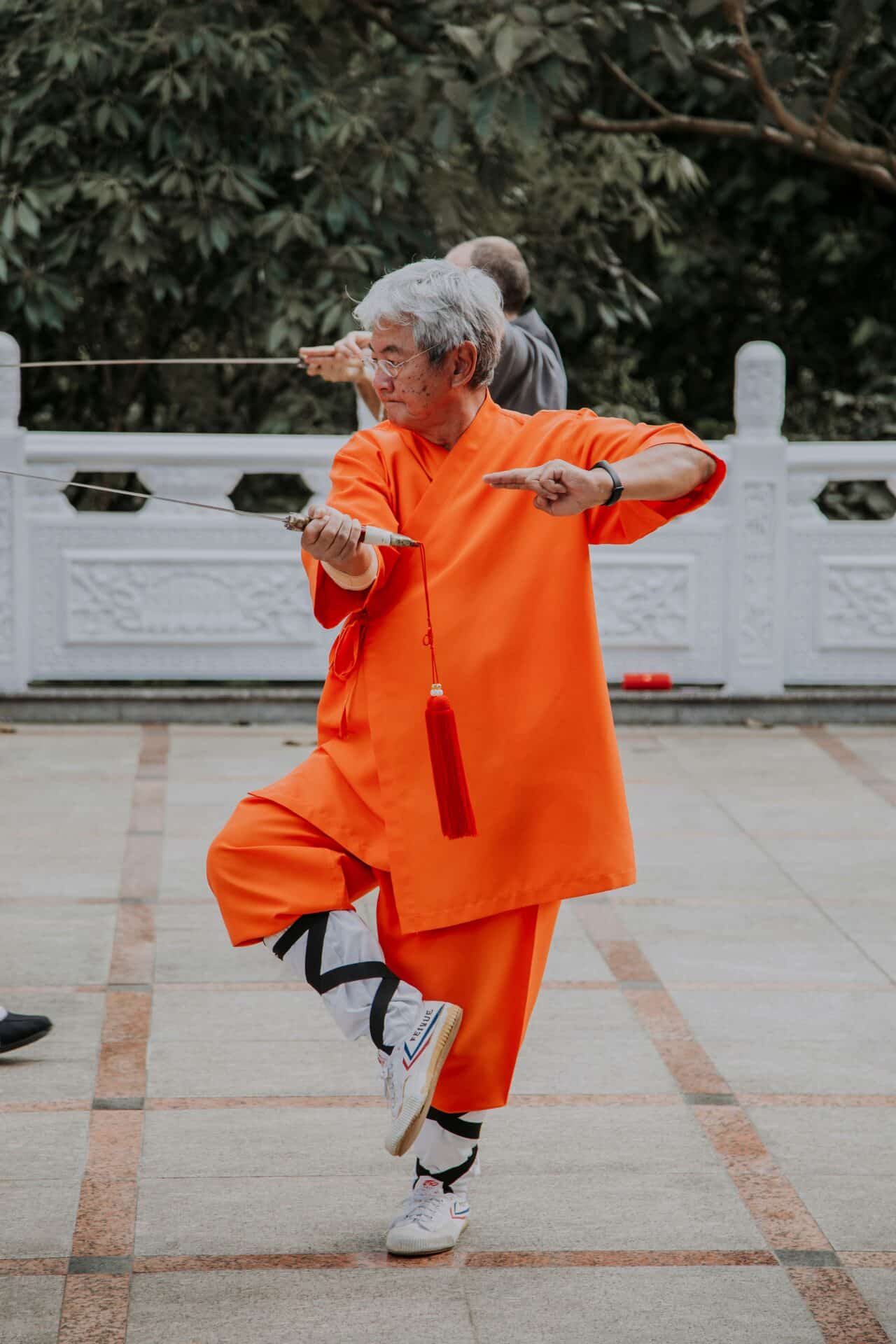
Some Tai Chi Masters Train with Swords
Tai Chi isn’t practiced only with empty hands. Traditional forms also use a straight sword, a broadsword, a fan, and even a spear, helping practitioners develop precision, balance, and coordination.
A Single Tai Chi Routine Can Last Over 20 Minutes
Depending on the style, a single Tai Chi routine can take anywhere from 5 to more than 20 minutes to complete. Experienced practitioners intentionally slow down their movements to improve their balance, control, and concentration.
Tai Chi Was Once Banned
During China’s Cultural Revolution (1966–1976), many traditional practices, including some styles of Tai Chi, were discouraged or even banned because they were associated with China’s old traditions and beliefs.
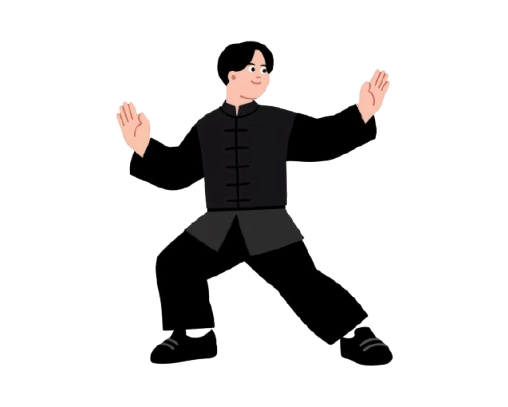
The Benefits of Tai Chi
-
Flexibility and Mobility: Gentle exercises improve joint mobility, relax the muscles, and gradually increase flexibility and range of motion.
-
Focus and Coordination: Because every movement requires attention and control, Tai Chi helps improve coordination, concentration, and overall body awareness.
Getting started with Tai Chi doesn’t require much, just a little space, comfortable clothing, and a willingness to try something new. Whether you’re looking to relax, improve your balance, or discover an ancient martial art, all that’s left is to take your first class.
Now that you’ve learned more about Tai Chi, why not give it a try? Explore BougeBouge’s events, challenges, and activities, browse our other sports articles to discover your next passion, and follow us on social media so you never miss what’s new. See you on the mat !