
Flag Football: history, rules and fun facts
Why take an interest in flag football ?



The history of flag football
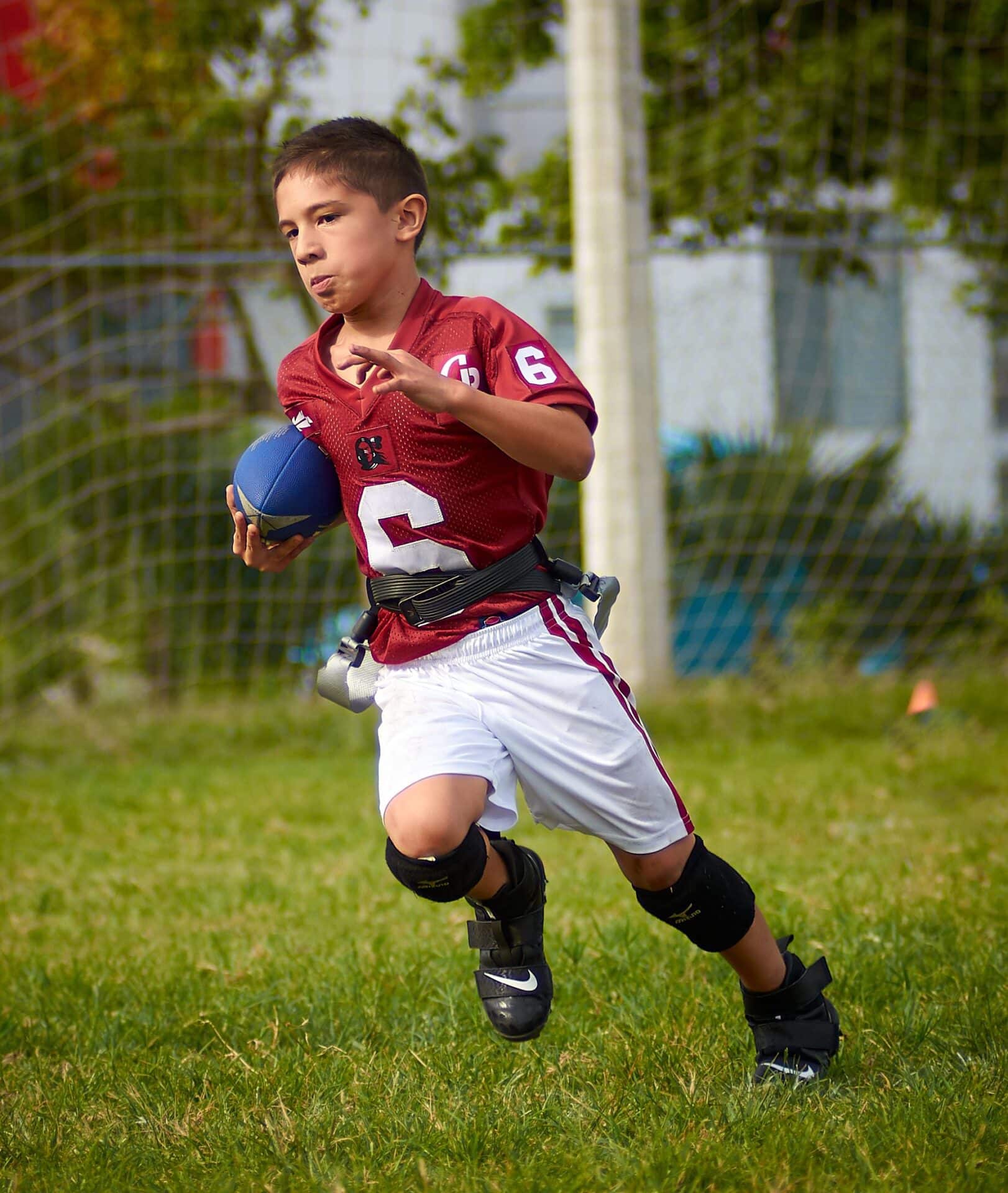
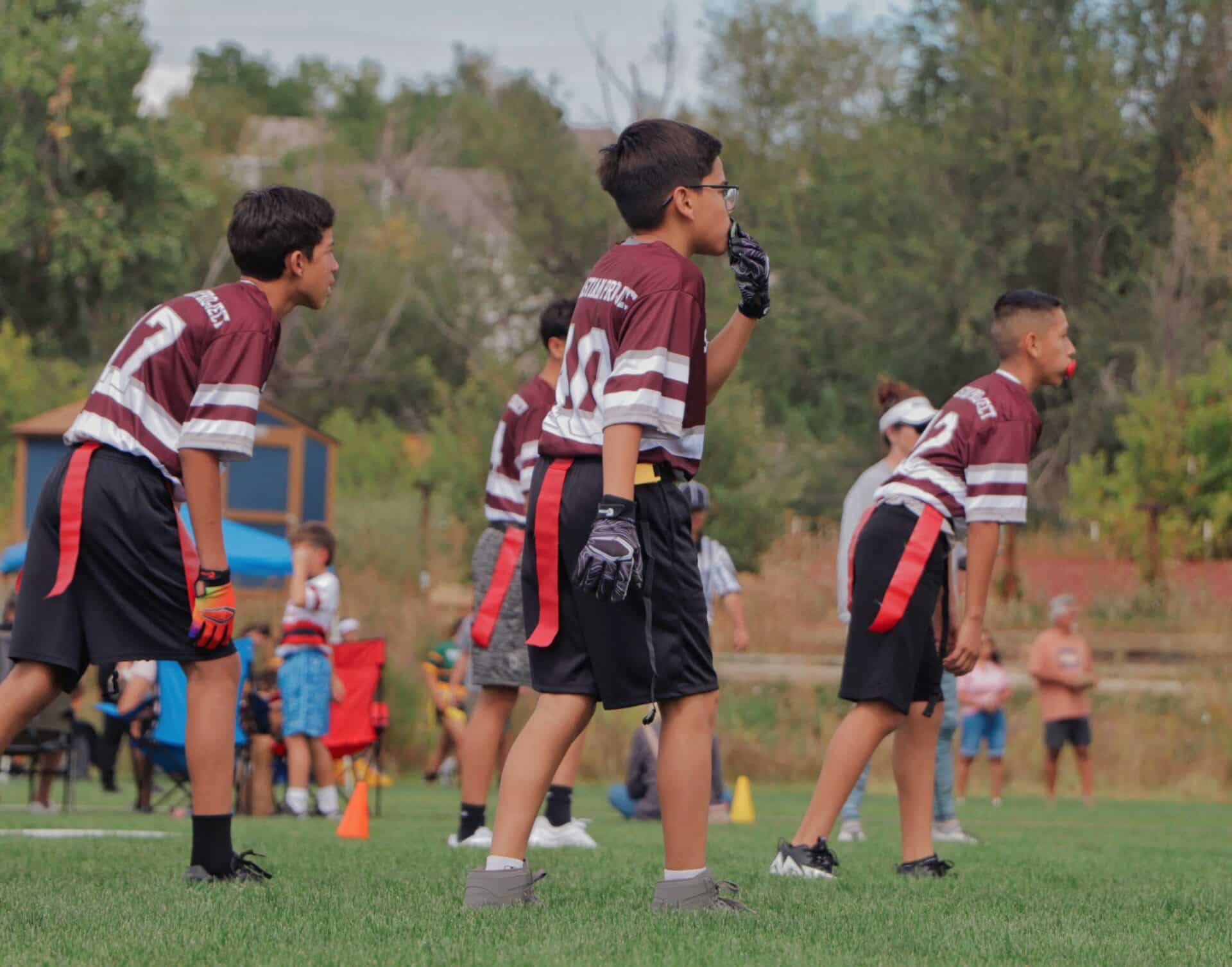
Flag football is closely connected to the history of American football. In the early 20th century, different non-tackle versions of the sport began to be played in the United States. The goal was to keep the main elements of football, such as passing, running and strategy, while reducing physical contact.
The concept is simple: instead of tackling the ball carrier to stop the play, opponents must remove a flag attached to their waist.
The sport developed particularly in schools and recreational settings. It also gained popularity among American military personnel during World War II, who played different forms of non-contact football on military bases.
Over the decades, flag football gradually became a sport in its own right. Leagues were created, rules became more standardized and competitions began appearing across the United States and eventually around the world.
The creation of international competitions helped accelerate its growth. The International Federation of American Football (IFAF), for example, organizes world championships featuring national teams from around the globe.
In 2022, flag football reached a new milestone when it made its debut at the World Games in Birmingham, Alabama. Then, on October 16, 2023, the International Olympic Committee officially approved its inclusion in the Los Angeles 2028 Olympic Games. For the first time in its history, flag football will have its own men’s and women’s Olympic competitions.

4 fun facts about flag football


The Most-Watched Sport at the 2025 World Games
Among 60 sports, flag football accounted for 23% of all online viewing time at the 2025 World Games. Not bad for a future Olympic newcomer!

A much smaller field
An international flag football field is about 70 yards long and 25 yards wide, much smaller than a traditional football field. Less space means faster action and quicker plays.

NFL Stars Are Getting Into Flag Football Too
Tom Brady, Joe Burrow, Jalen Hurts and other NFL stars have already taken part in flag football events. And more than 200 NFL players have expressed interest in competing at the 2028 Games.

Nearly 12,000 Players in a Single Tournament
In 2025, a flag football tournament in Florida brought together 11,779 players from 13 countries, setting a new world record!

Playing Flag Football
OBJECTIVE OF THE GAME AND COMPETITIONS
The objective of flag football is to score more points than the opposing team by carrying or catching the ball in the end zone.
One team plays offence while the other plays defence.
The offensive team moves the ball down the field through passes and runs, while the defence tries to stop them by intercepting the ball or pulling one of the ball carrier’s flags.
As soon as a flag is pulled, the play stops and the ball is placed where the player was “deflagged.”
MAIN RULES
The international format of flag football is generally played five-on-five.
The offensive team has four downs to cross midfield.
If successful, it gets four new downs to reach the opposing end zone and score a touchdown. If not, possession passes to the other team.
A touchdown is worth 6 points.
After a touchdown, the team can also attempt an extra point:
- 1 point from the 5-yard line
- 2 points from the 10-yard line
A safety is worth 2 points for the defence.
Play also stops when the ball carrier’s flag is pulled, a player goes out of bounds, a pass hits the ground or a touchdown is scored.
And of course, tackling is not allowed.
COURT AND EQUIPMENT
The field used for flag football is smaller than a traditional American football field.
In the international five-on-five format, it includes a central playing area and two end zones, one at each end.
The equipment needed is relatively simple:
- A football
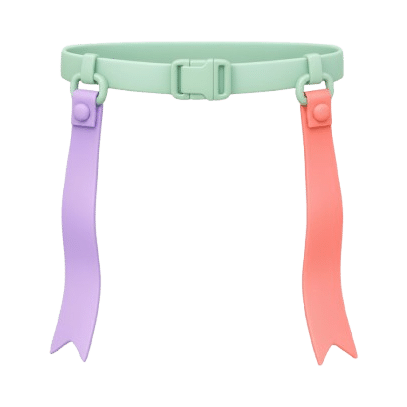
- A belt with two flags for each player
- Appropriate footwear for the playing surface
- Comfortable sportswear
Unlike traditional American football, players don’t need helmets or shoulder pads since tackling is not part of the game.