
Cycling: History, Rules and Fun Facts

Why Get Into Cycling?

Cycling is one of the world’s most popular sports and means of transportation. Today, there are an estimated one billion bicycles in use worldwide, from the bike-friendly streets of Copenhagen to the mountain trails of the Canadian Rockies. Yet, it’s easy to think of a bicycle as nothing more than a way to get from one place to another.
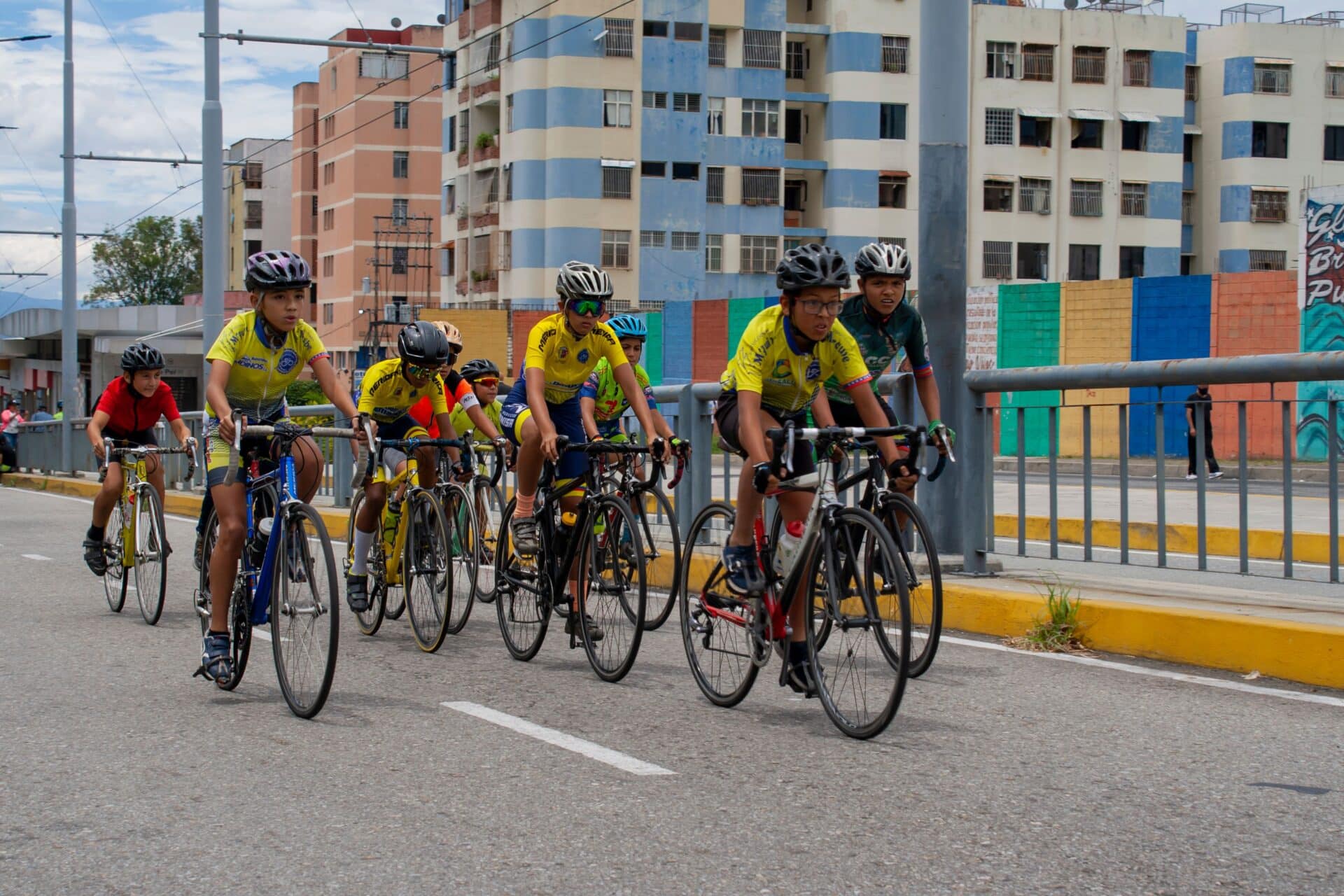
In reality, cycling is much more than that. It’s a technical activity that combines balance, coordination, endurance, and the ability to adapt to different terrains. Above all, it’s a sport that promotes health and well-being while remaining accessible to people of all ages, from a child’s first ride without training wheels to leisurely weekend rides later in life.


The origins of the Bicycle
Before becoming the familiar mode of transportation we know today, the bicycle went through a remarkable evolution. It all began in 1817 with the draisine, a simple wooden two-wheeled machine with no pedals. Riders propelled it by pushing themselves along with their feet.
A few decades later, pedals were introduced—attached directly to the front wheel. This gave rise to the famous penny-farthing, instantly recognizable by its oversized front wheel, which made it as impressive to look at as it was challenging to ride.
By the late 1880s, the bicycle had evolved into a design much closer to the modern model, featuring two equal-sized wheels, a chain-driven transmission, and a far more stable ride. As bicycles became safer and more affordable, they quickly gained popularity and became a symbol of freedom and independence. For many women in the late 19th century, the bicycle represented newfound mobility and empowerment, earning the nickname “the freedom machine” among some American suffragists.
Cycling soon developed into a competitive sport as well. The first road and track races appeared in the 19th century, but it was in 1903 that one event changed cycling forever: the Tour de France. Originally created to promote a French sports newspaper, it has since become one of the most prestigious cycling competitions in the world.
Major Cycling Disciplines

Road Cycling
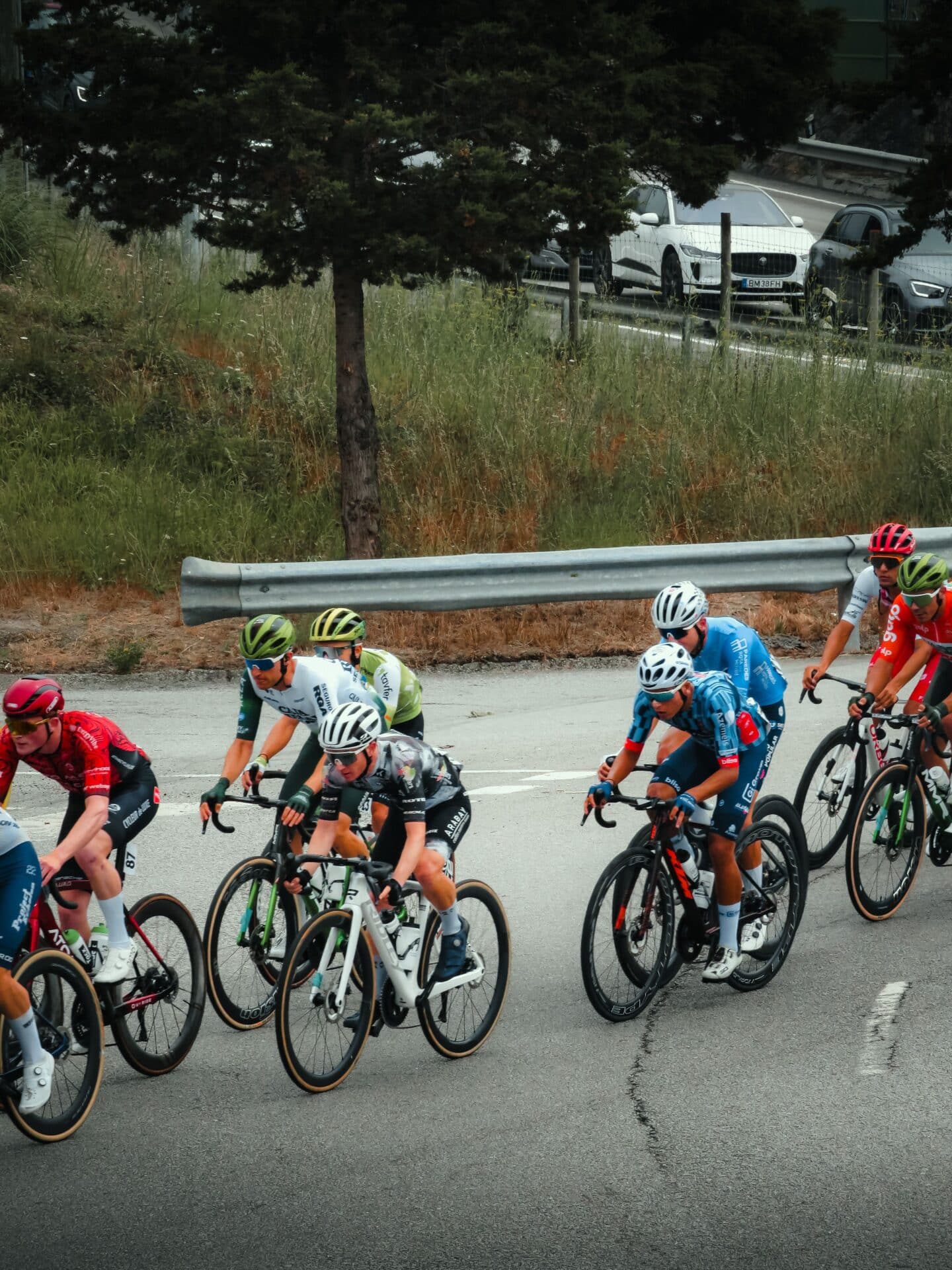
Road cycling is the discipline most people know, thanks to iconic races such as the Tour de France, Giro d’Italia, and Vuelta a España. Riders cover hundreds of kilometres over multiple stages, tackling everything from flat roads to demanding mountain climbs. Teamwork plays a crucial role, as cyclists rely on teammates and the peloton to conserve energy and execute race strategies.
Track Cycling
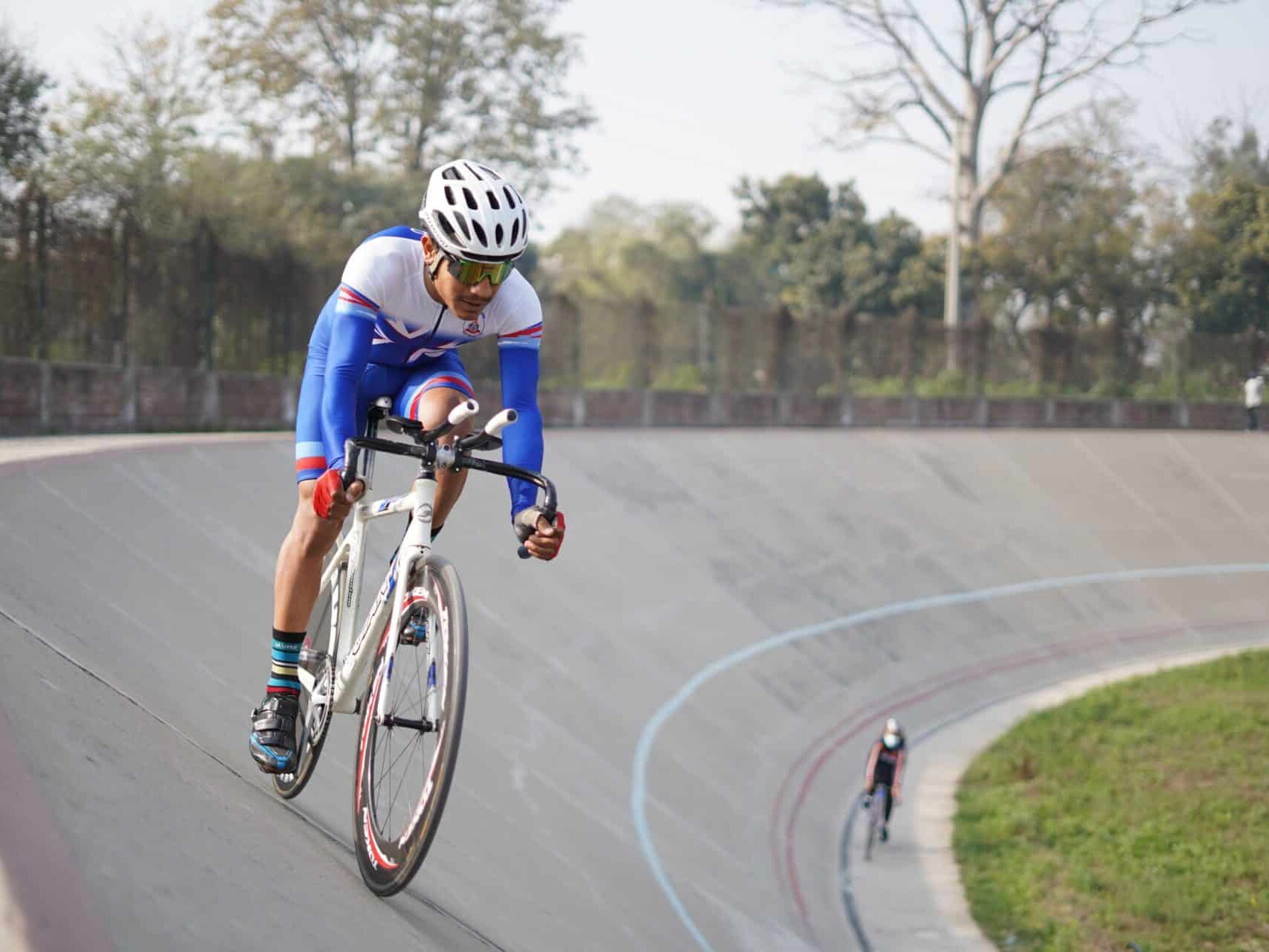
Track cycling takes place on steeply banked oval tracks known as velodromes. It features both high-speed sprint events and endurance races, including the sprint, individual pursuit, and Madison. Track cycling has been part of the Olympic Games since the first modern Olympics in 1896.
Mountain Biking (MTB)
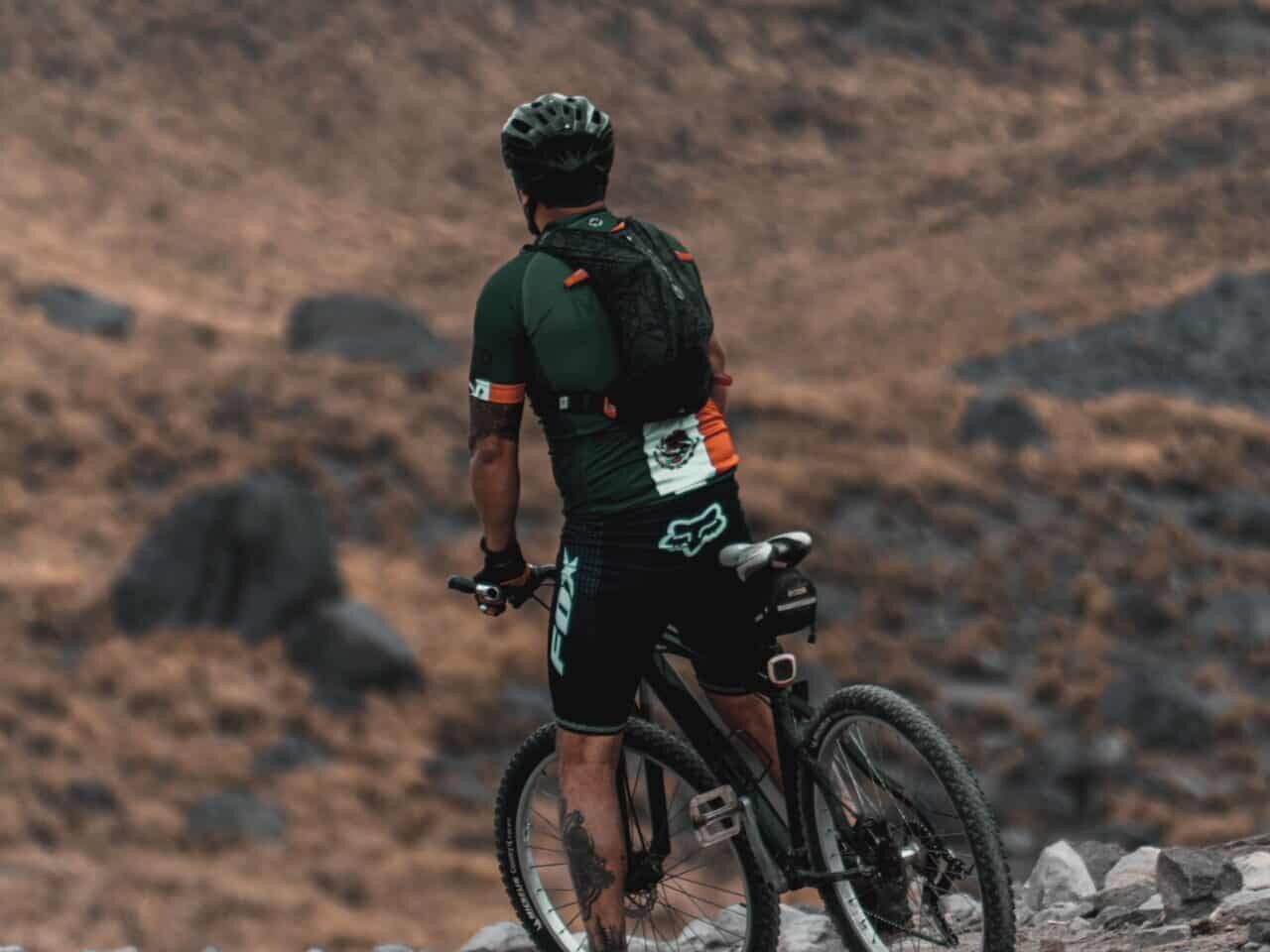
Born in California during the 1970s, mountain biking is practiced on forest trails, rocky terrain, and mountain paths. Popular disciplines include cross-country (XC), which emphasizes endurance over varied terrain, and downhill, where riders race down steep slopes at high speeds while navigating jumps, drops, and technical obstacles.
BMX
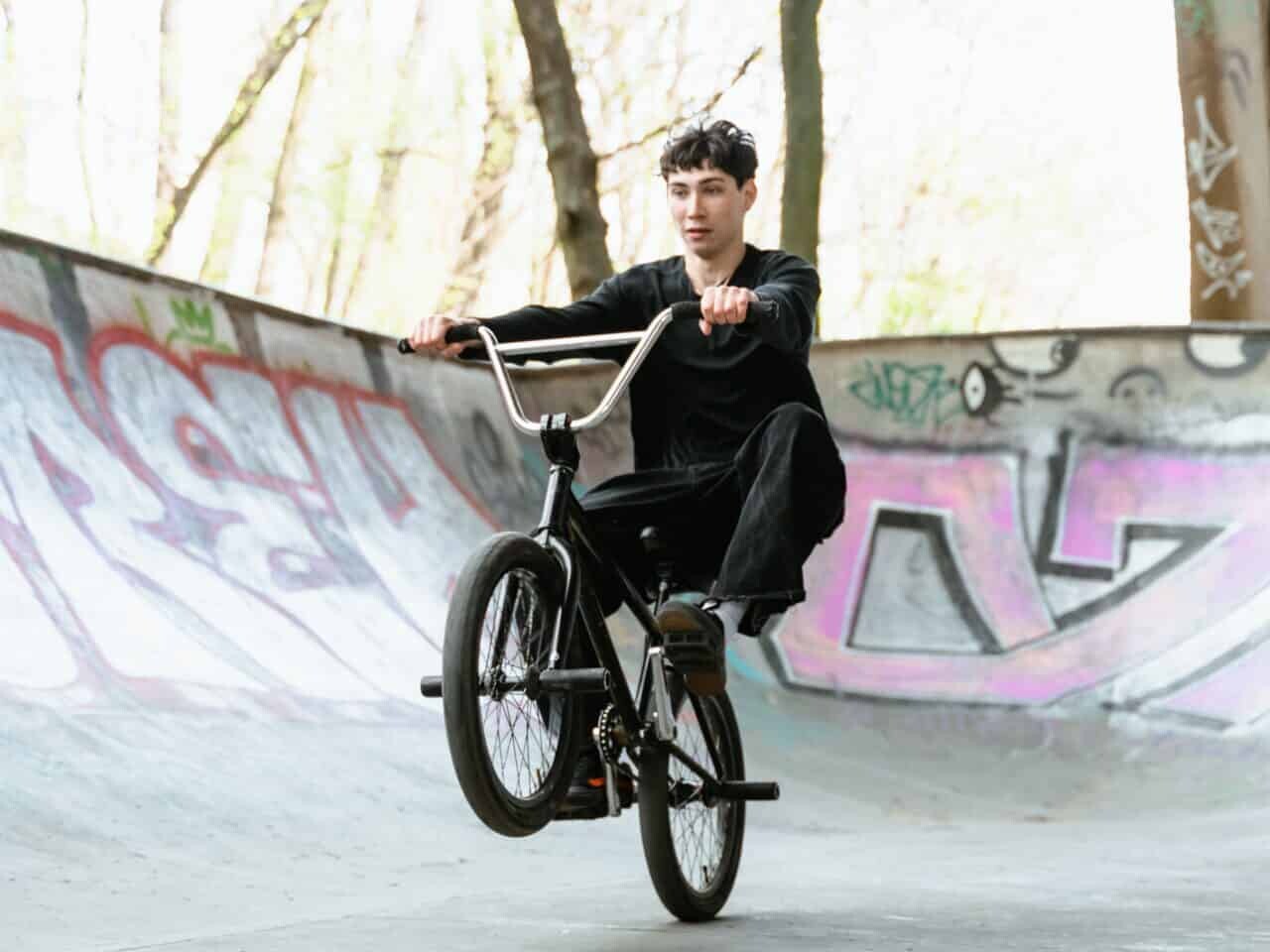
Inspired by motocross, BMX is ridden on compact, durable bicycles. BMX Racing is an Olympic discipline featuring fast-paced races over obstacle-filled tracks, while BMX Freestyle focuses on tricks and aerial maneuvers performed in skateparks and urban environments.
Cyclocross
Cyclocross combines elements of road cycling and mountain biking. Riders compete on muddy, grass, sand, and obstacle-filled courses, often having to dismount and carry their bikes over barriers or up staircases. It is a popular winter discipline, especially in Belgium and the Netherlands.
Gravel Cycling
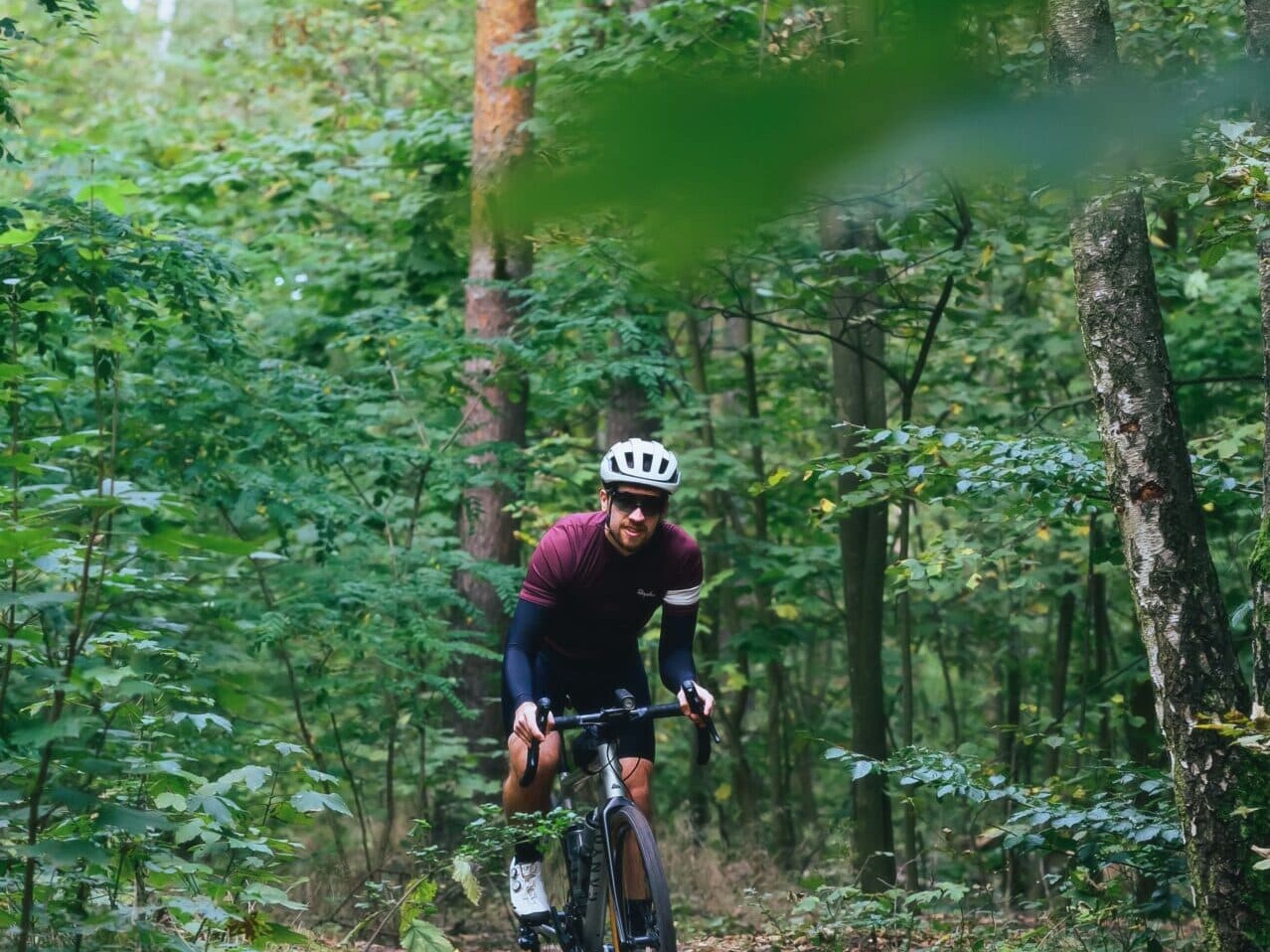
One of the newest and fastest-growing disciplines, gravel cycling blends the speed of a road bike with the versatility of a mountain bike. Designed for both paved roads and gravel trails, it appeals to cyclists seeking adventure, exploration, and long-distance rides rather than pure competition.

4 fun facts about cycling

Tires Haven’t Always Existed
The first bicycles rolled on wooden or metal wheels, making every ride a bumpy and uncomfortable experience. It wasn’t until the late 19th century that the invention of the pneumatic tire revolutionized cycling, making rides smoother, faster, and far more comfortable.

Incredible Speeds
On steep descents, some professional cyclists can exceed 62 mph without a motor—relying solely on gravity, skill, and an aerodynamic riding position.

More Bicycles Than People
In the Netherlands, bicycles truly rule the roads. The country is home to more bicycles than people, making cycling an essential part of everyday life. The city of Utrecht even boasts the world’s largest underground bicycle parking facility, with space for thousands of bikes.

The Tour de France by the Numbers
Over three weeks, Tour de France riders cover around 3,500 kilometres and can burn up to 8,000 calories a day. That’s roughly the equivalent of thirty bananas—or several full meals packed into a single day!
The Benefits of Cycling
Cycling is not only a competitive sport—it is also one of the most complete physical activities for improving overall health.
- A great cardiovascular workout: Regular cycling strengthens the heart, improves blood circulation, and can help maintain healthy blood pressure.
- Gentle on the joints: Unlike running, cycling places less stress on the knees and hips, making it suitable for people of many ages and fitness levels.
- A full-body workout: While the legs do most of the work, the core and back muscles are also engaged to maintain balance, stability, and proper posture.
- Benefits for mental well-being: Like many outdoor activities, cycling can help reduce stress and anxiety, especially when enjoyed in nature.
- An eco-friendly way to get around: When used for everyday transportation, cycling helps reduce your carbon footprint while naturally adding physical activity to your daily routine.
Cycling in 2 Minutes: A Beginner’s Guide
Ready to start cycling without getting lost in the technical details? Here are five simple tips to help you enjoy your first ride with confidence:
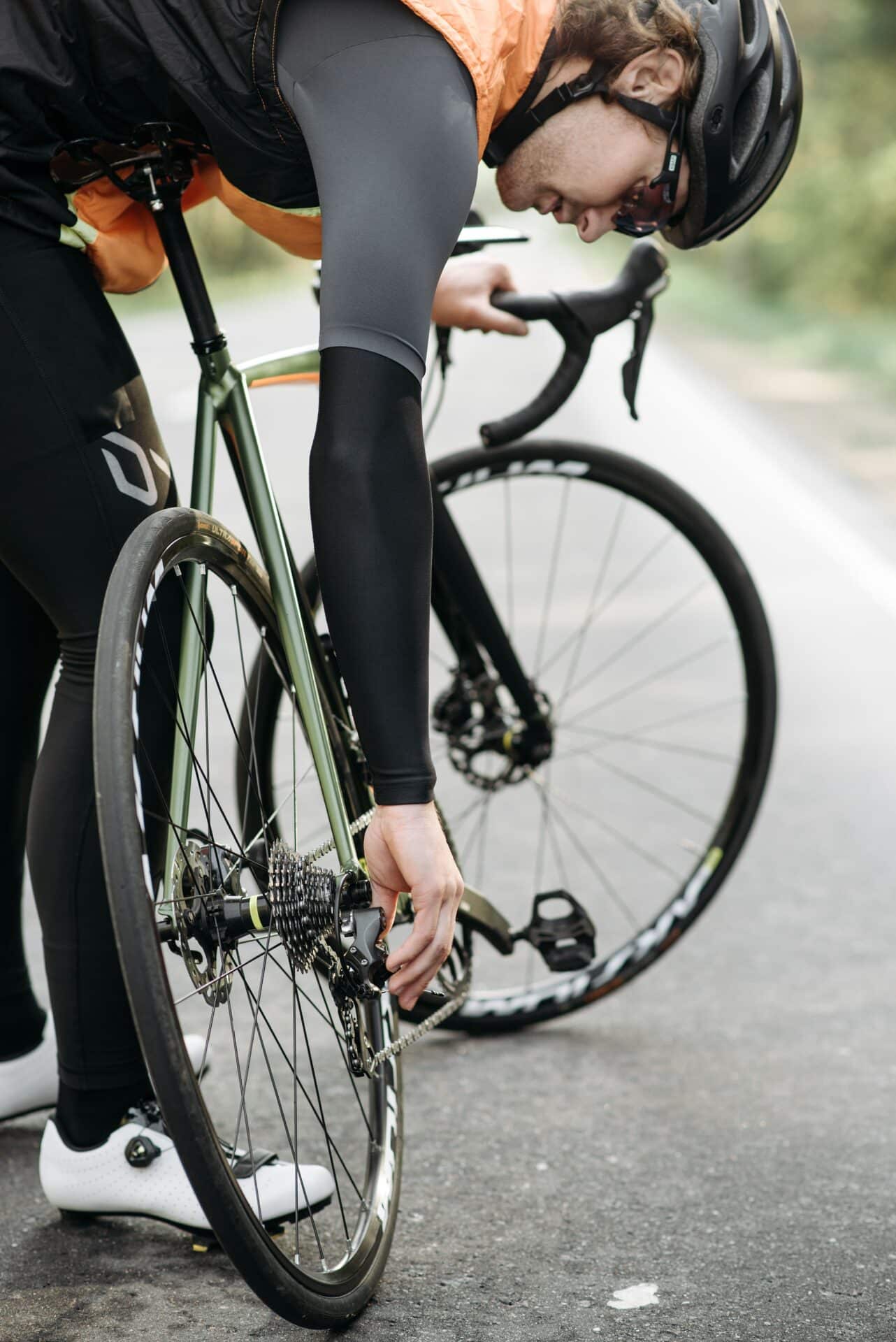
Adjust your saddle height: When seated, your leg should be almost fully extended with the pedal at its lowest point. A saddle that’s too low can strain your knees, while one that’s too high can affect your balance.
Maintain good posture: Lean slightly forward, keep your elbows relaxed (never locked), and look ahead instead of focusing on your front wheel.
Use both brakes: The rear brake (usually on the right) helps slow you down, while the front brake (usually on the left) provides stronger stopping power. For smooth, controlled braking, use both together rather than relying only on the front brake.
Shift gears before you need to: Anticipate hills, stops, or changes in terrain by shifting to an easier gear before the effort increases.
Always wear a helmet: Whether you’re riding around the neighbourhood or heading out on a longer adventure, a properly fitted helmet is your most important piece of safety equipment.
With these five tips in mind, you’re ready to hop on your bike and enjoy the ride!
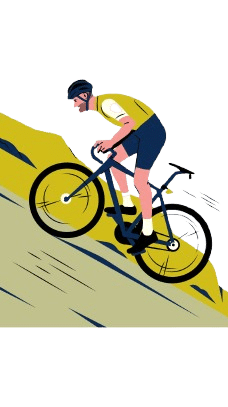
To get started, all you need is a bike suited to your riding style, a properly fitted helmet, and a few basic safety accessories. Whether you’re cycling for fun, fitness, or competition, it’s time to hop on your bike and hit the road.
Now that you know more about cycling, why not take the next step? Discover the events, challenges, and activities offered by BougeBouge, explore our other articles to find your next sporting passion, and follow us on social media so you never miss our latest news. We’ll see you at the starting line!