Pilates: History, Rules and Fun facts
Why get into Pilates ?
Pilates is now one of the most widely practiced methods of physical conditioning in the world. It’s often associated with elegant studios equipped with spring-based machines, but its origins are far more humble—and much more surprising.
It is a demanding discipline where precision of movement and breath control are just as important as muscular strength. Above all, Pilates is a powerful tool for overall well-being, accessible to people of all ages and fitness levels, from beginners taking their first class to professional dancers who incorporate it into their daily training.
The origins of pilates
Pilates is a method developed by Joseph Pilates, a German born in 1883. During his childhood, he suffered from several health problems. Determined to become stronger, he practiced a variety of sports and gradually developed his own approach to physical training.
When the First World War broke out, Joseph Pilates was interned in a camp in England because of his German nationality. It was there that he created exercises to help injured and bedridden patients maintain their muscle strength. By attaching hospital bed springs to metal frames, he developed the first pieces of equipment that would later inspire the famous Reformer.
After the war, he moved to New York and opened his first studio. His method quickly gained popularity among professional dancers before spreading around the world. Today, Pilates is practiced by millions of people to improve their strength, posture, and mobility.
Different ways of practicing Pilates
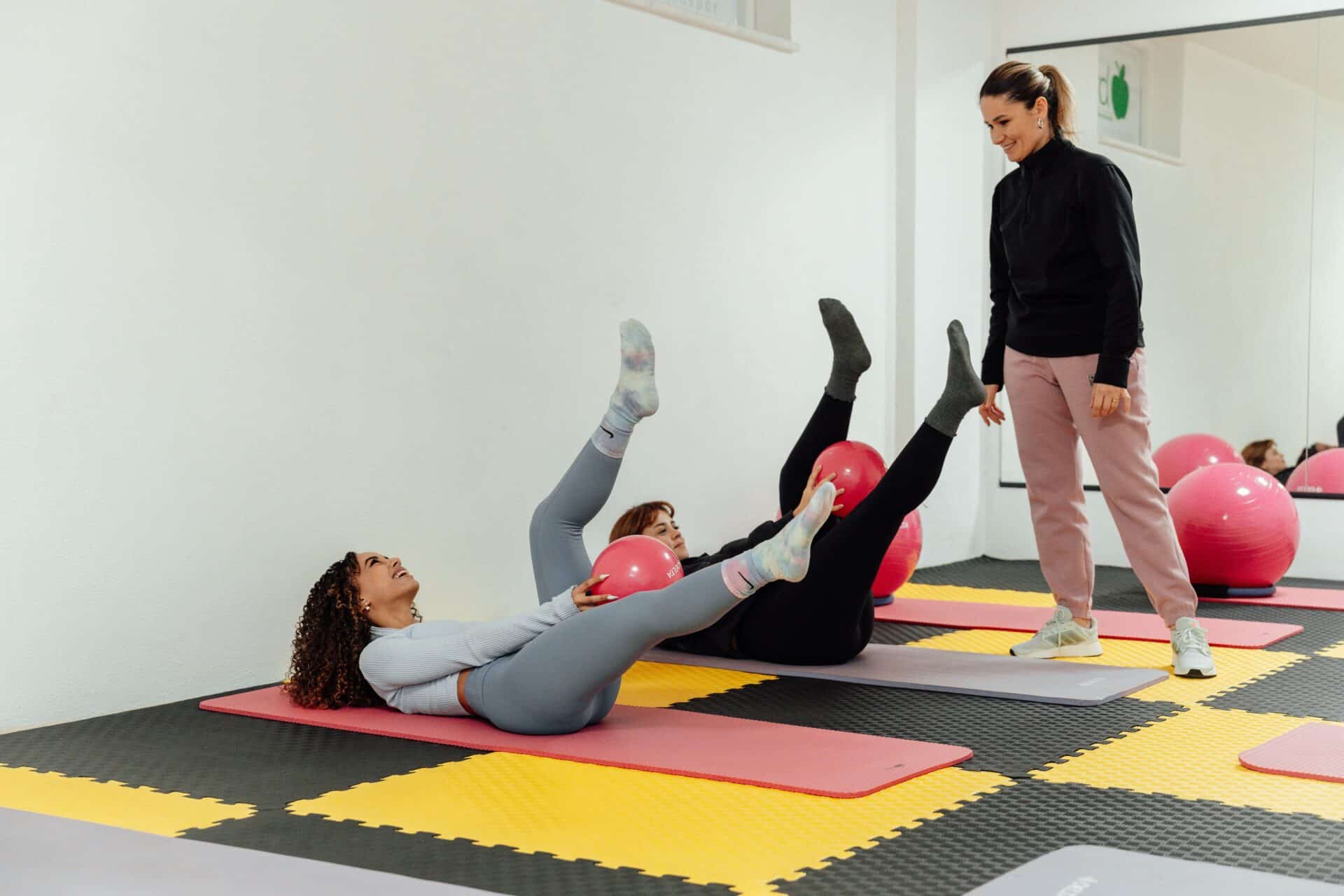
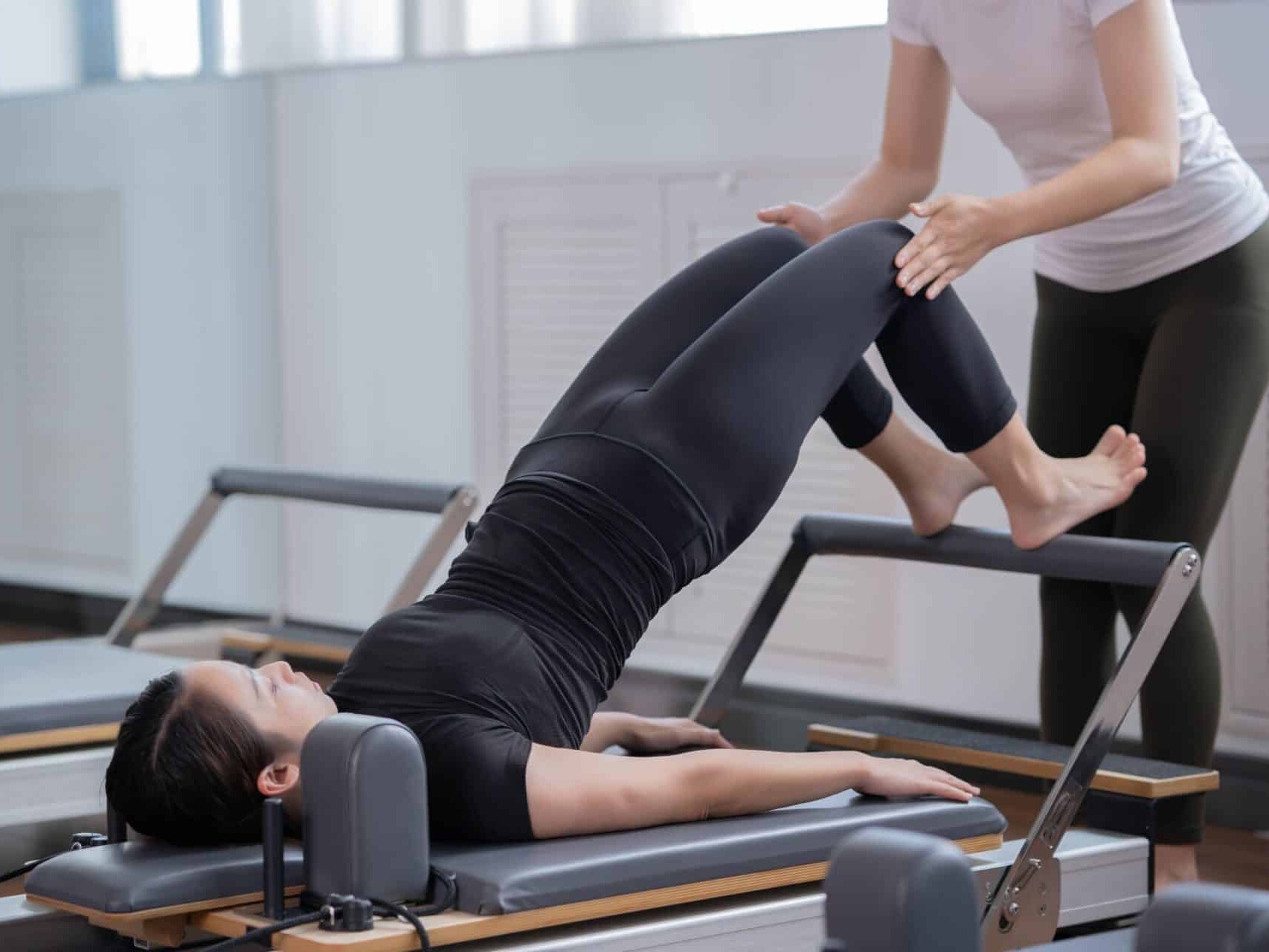
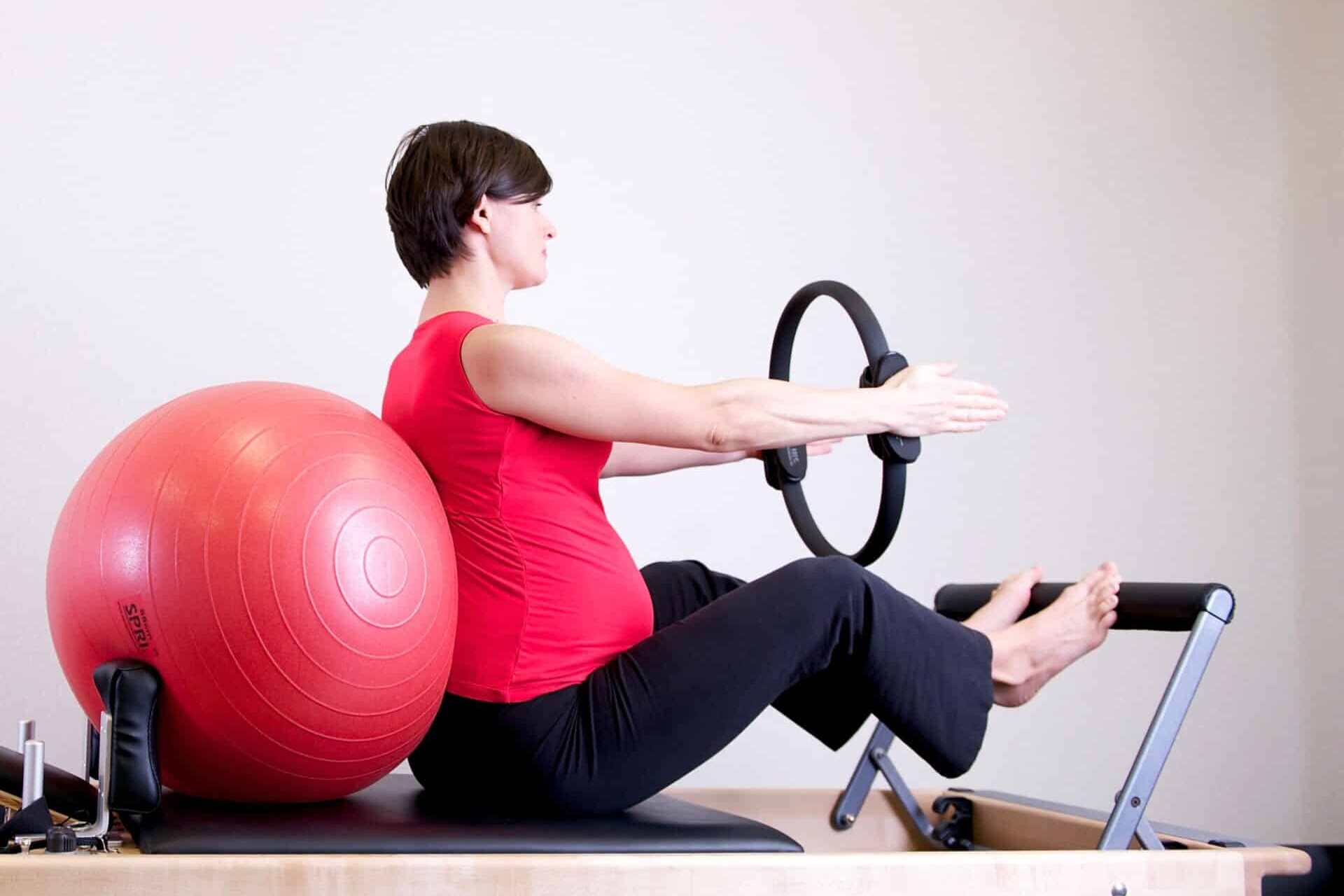
There isn’t just one way to practice Pilates. Depending on the equipment and setting, there are several styles to choose from.
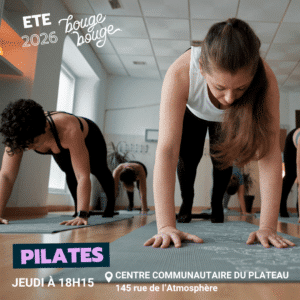
Mat Pilates is performed on a mat using only your body weight. It’s the most accessible way to get started and is commonly taught in group classes or practiced at home.
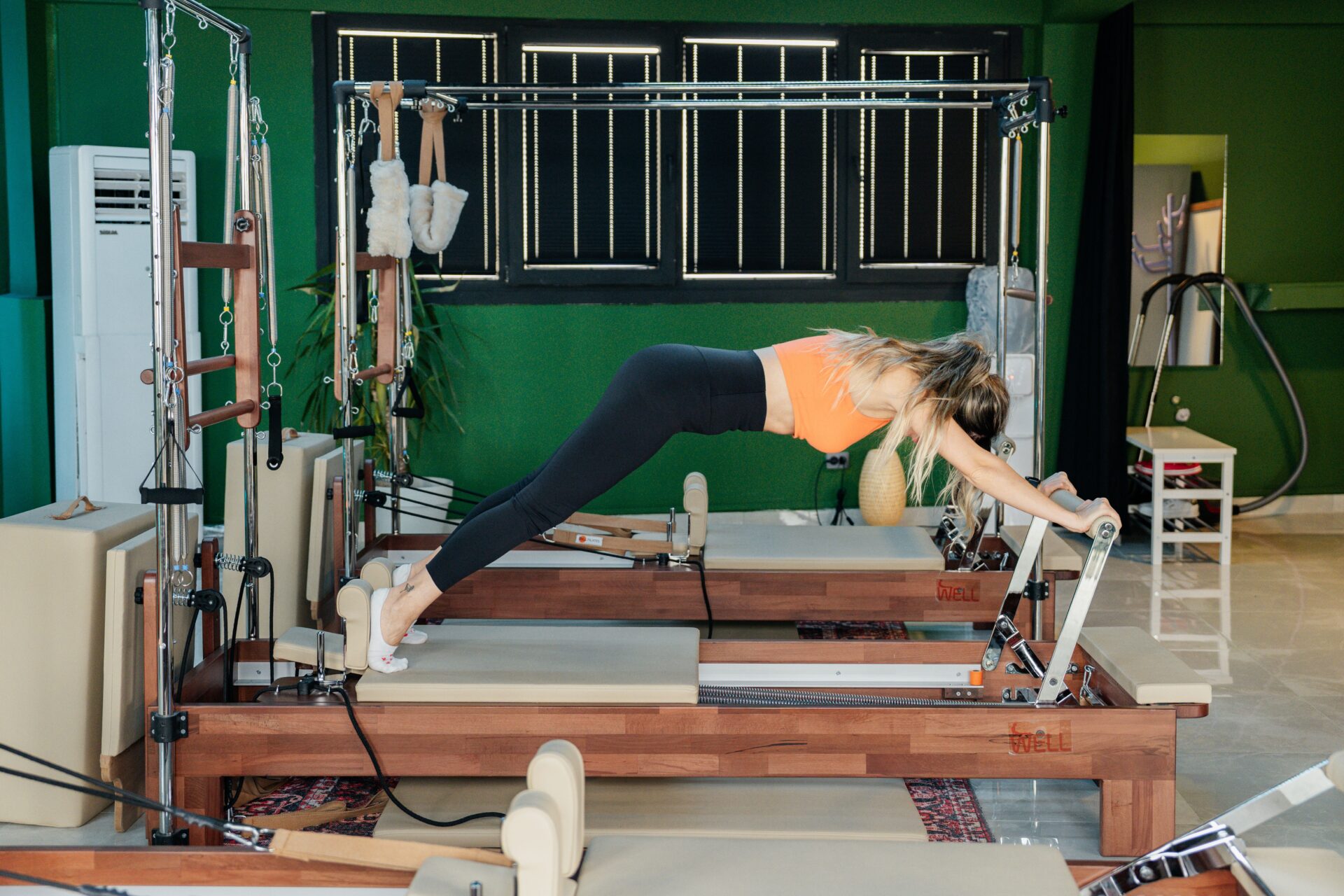
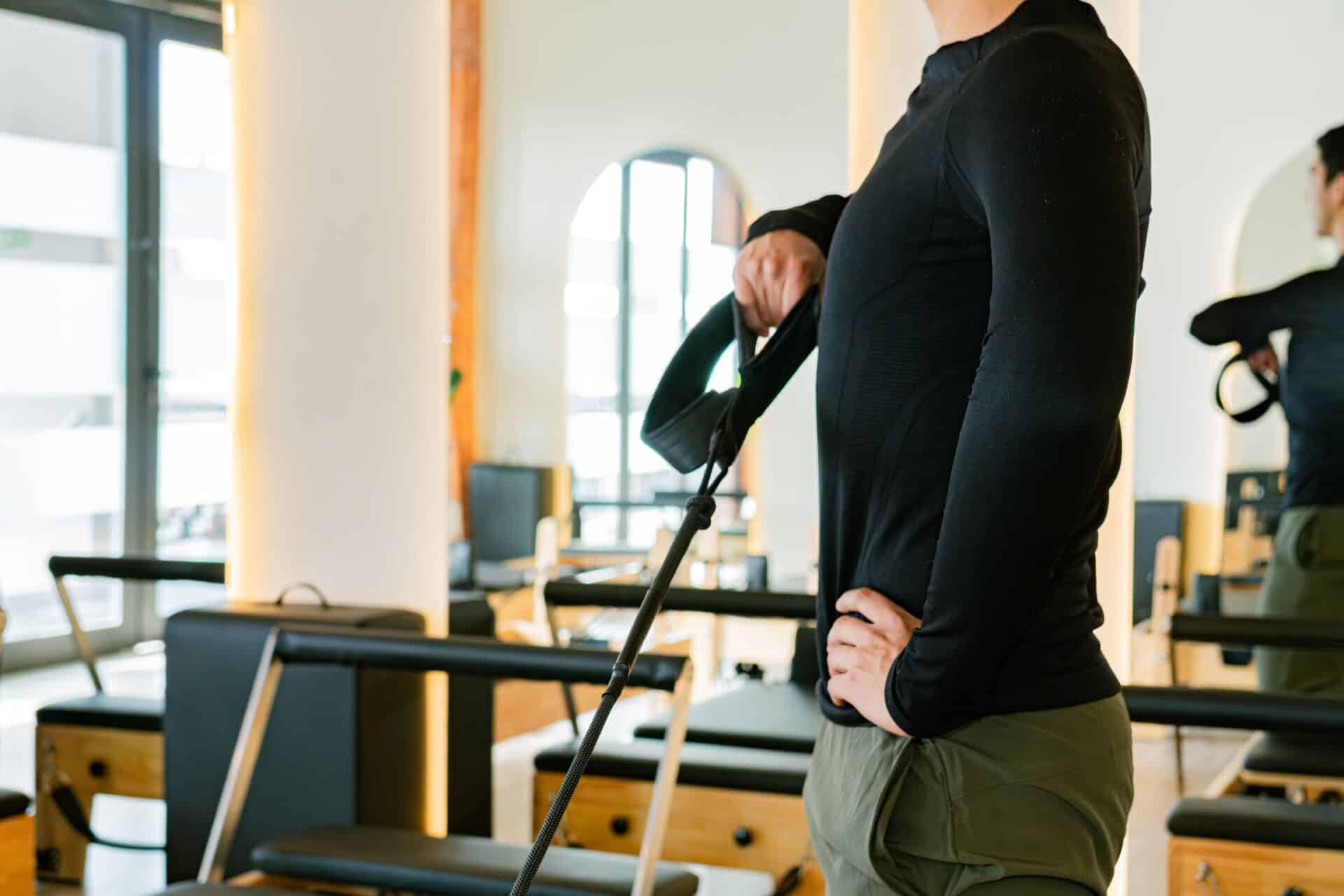
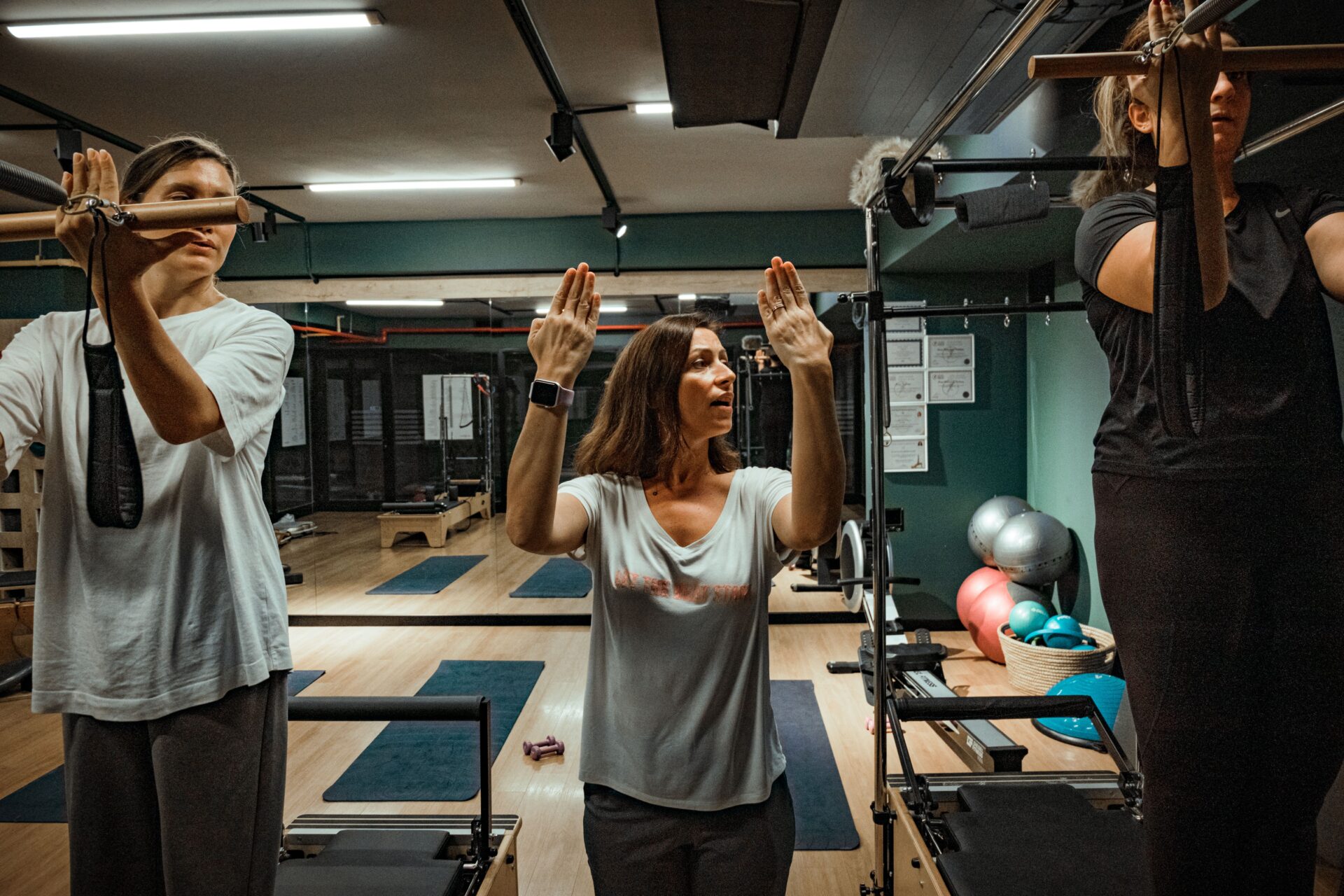
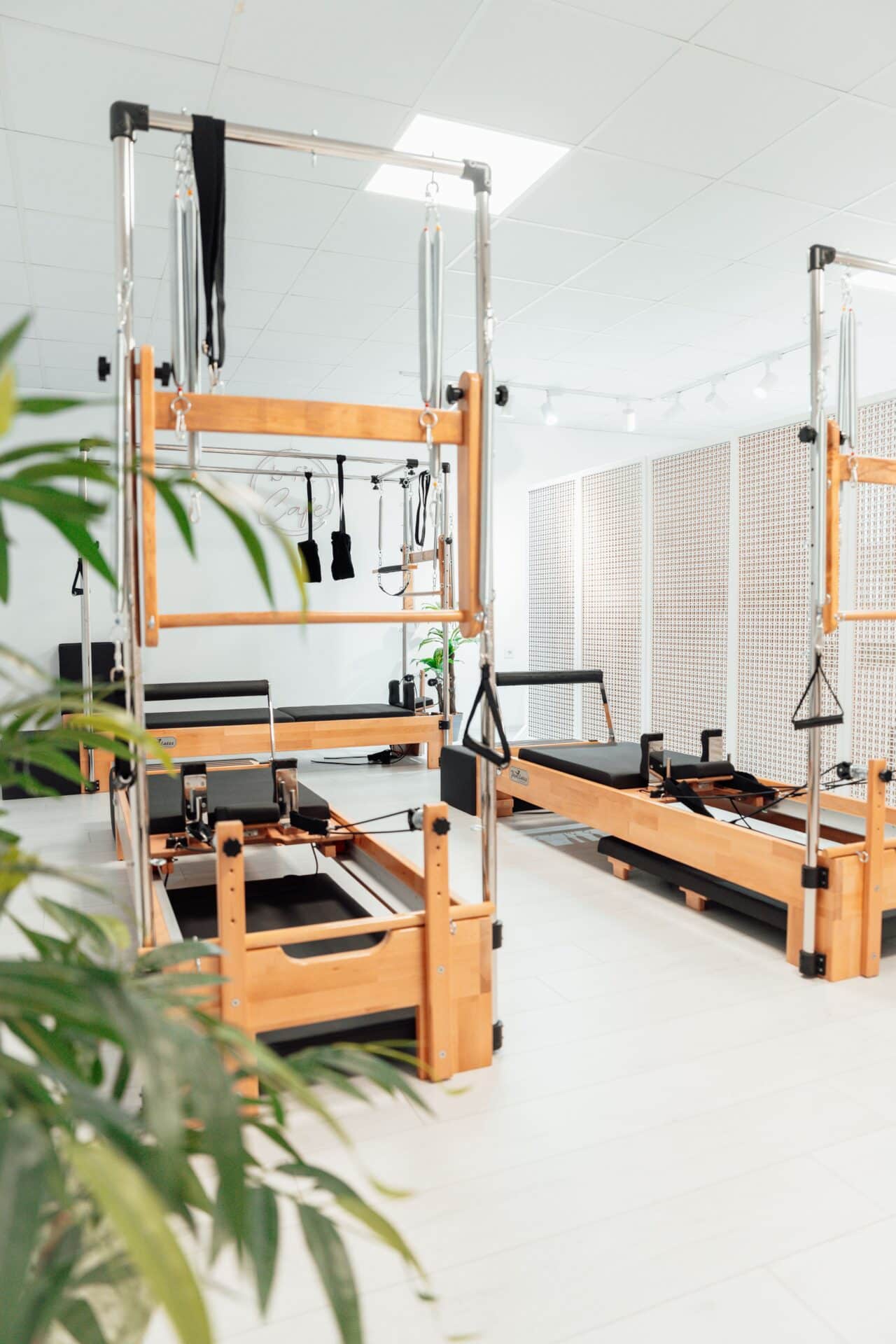
Reformer Pilates uses a specialized machine with springs, straps, and a sliding carriage to provide adjustable resistance. Originally inspired by hospital bed springs, the Reformer is now one of the most popular pieces of Pilates equipment.
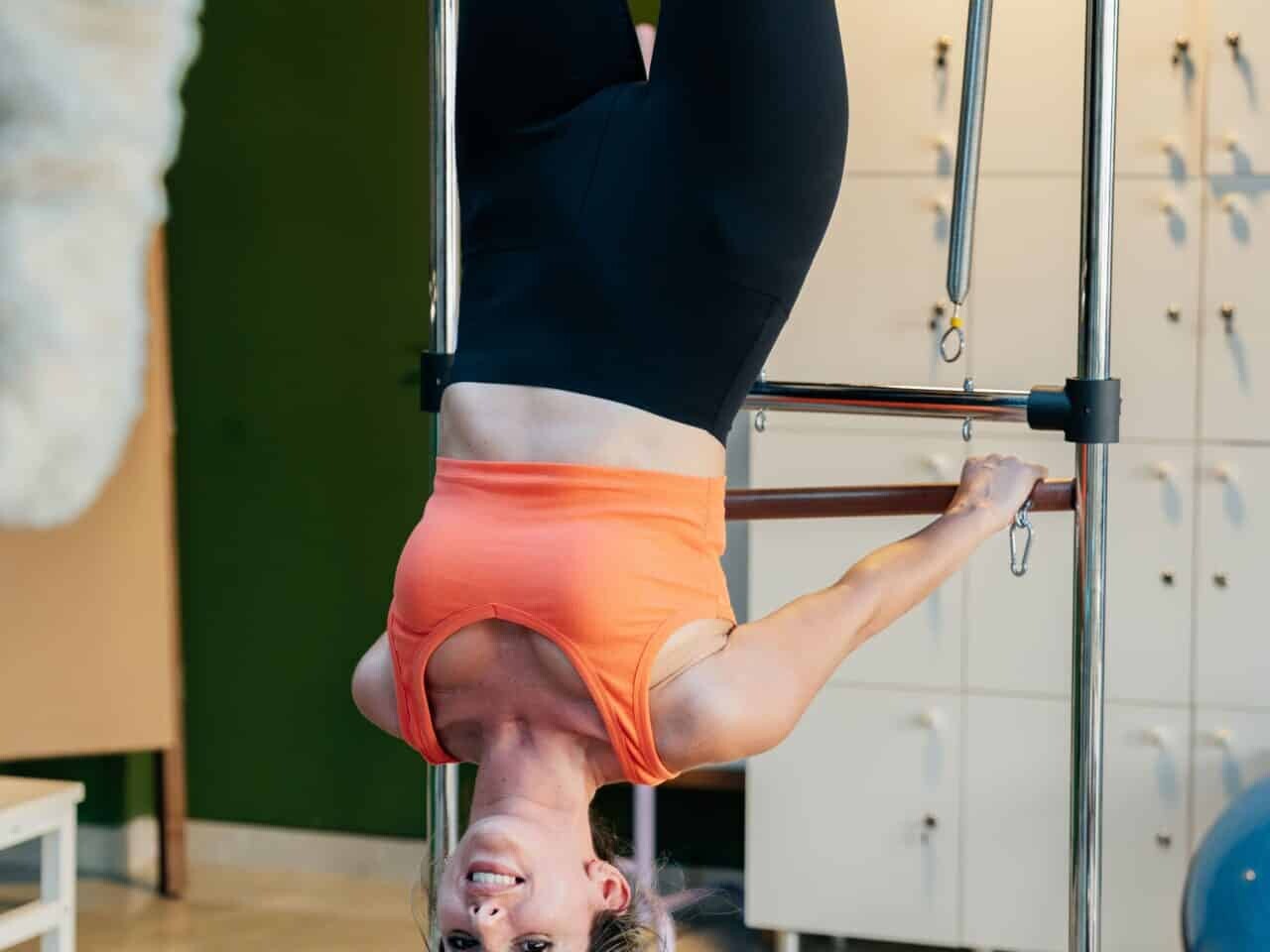
The Cadillac and Wunda Chair are advanced Pilates machines designed by Joseph Pilates. They help improve strength, balance, flexibility, and control, and are often introduced after learning the fundamentals.
Classical Pilates follows Joseph Pilates’ original method, with exercises performed in a specific sequence that has remained largely unchanged for nearly a century.
Contemporary Pilates also known as modern Pilates, this approach adapts the original method using updated techniques and exercise variations to meet individual goals, from fitness and flexibility to athletic performance.
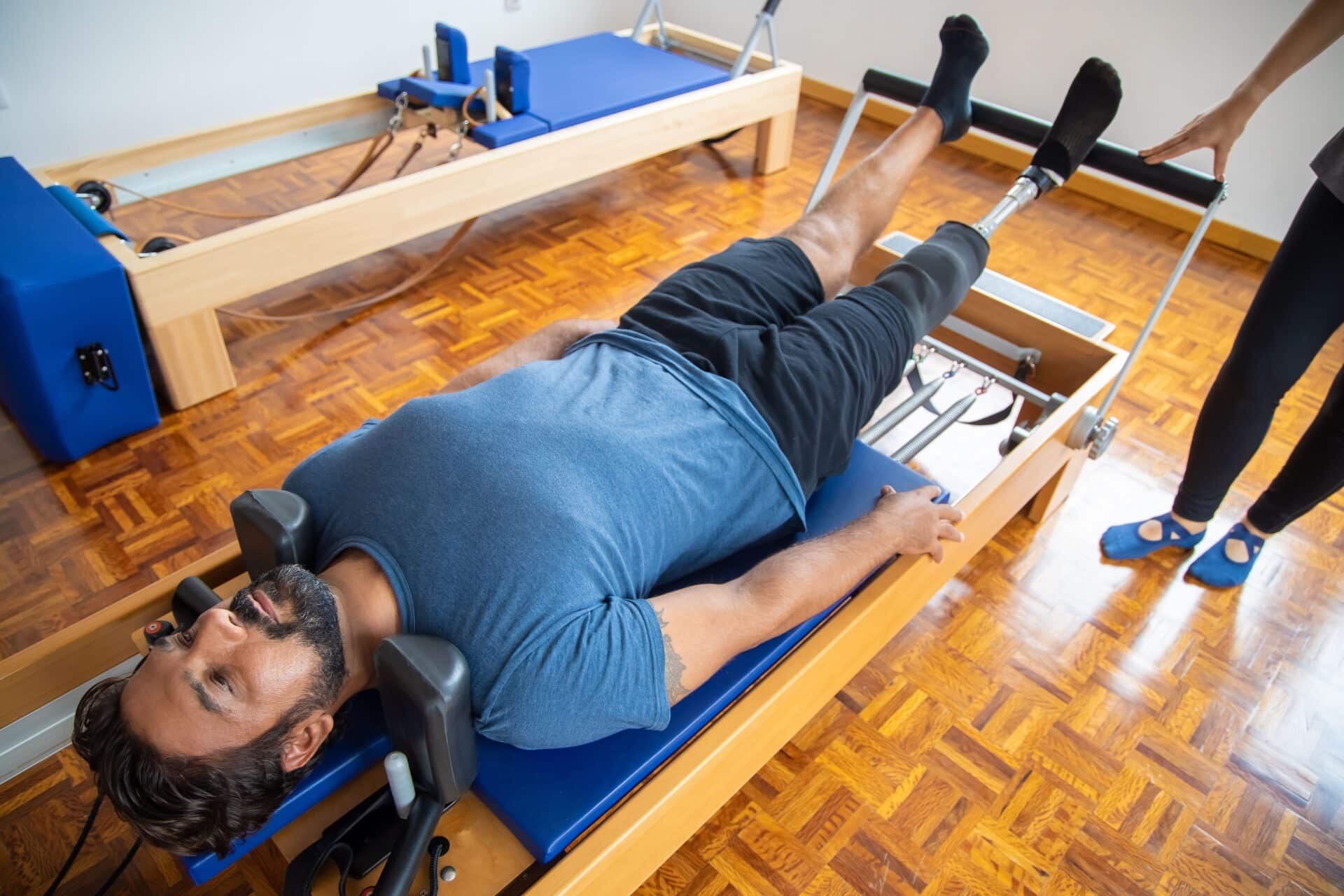
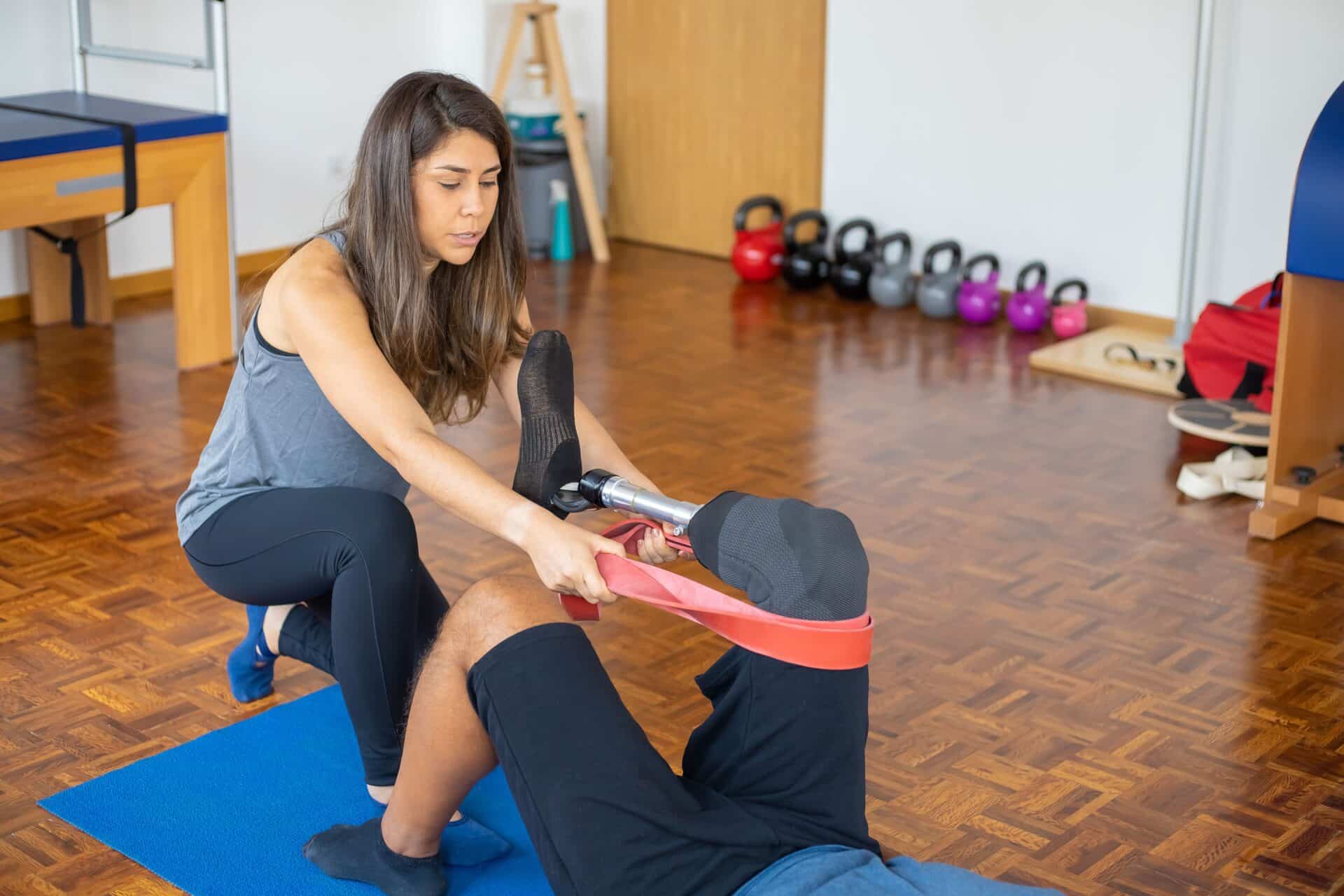
Often recommended by physiotherapists or healthcare professionals, rehabilitation Pilates uses carefully selected exercises to support recovery from injuries, relieve back pain, and safely rebuild strength and mobility.
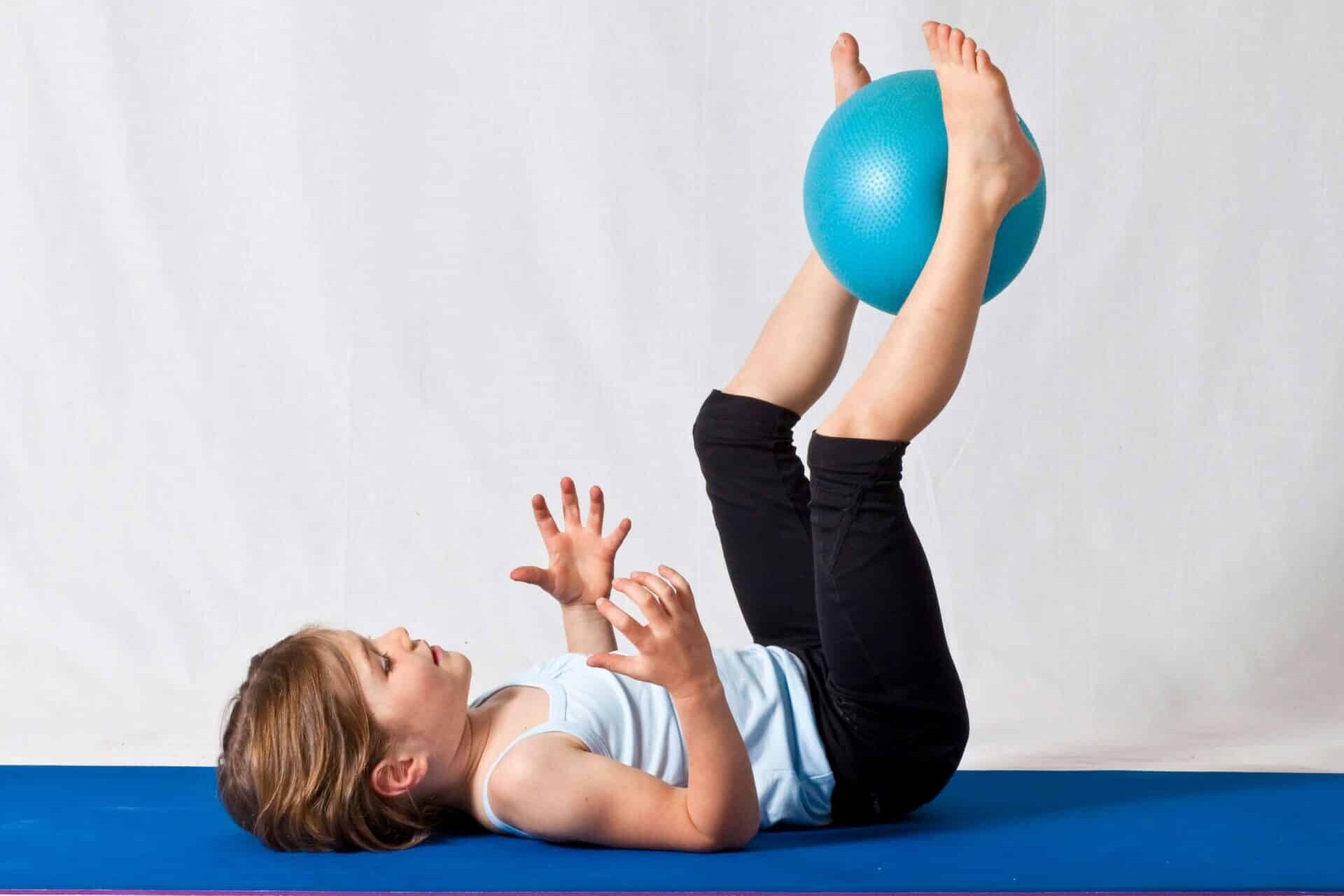
4 fun facts about pilates

Pilates Trains Your Brain Too
Pilates challenges both your muscles and your mind. It helps improve balance, coordination, and body awareness.
The First Pilates Machines Were Made from Hospital Beds
The very first Pilates machines were created using hospital bed springs. It was a clever solution developed during a difficult time, and it eventually inspired the modern Reformer machines used in Pilates studios around the world today.

You Can Burn Up to 300 Calories
A traditional Pilates session can burn 170–300 calories, with Reformer Pilates often burning even more. Despite its slow, controlled movements, it’s an effective full-body workout.

Pilates Is Often Recommended During Pregnancy
When adapted to the individual’s needs and supervised by a qualified instructor, Pilates is one of the most recommended forms of exercise during pregnancy. It helps strengthen the deep core muscles, relieve lower back pain, improve posture, and promote healthy breathing techniques in preparation for childbirth.
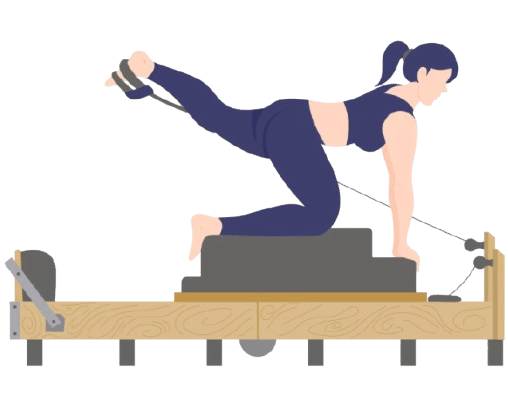
The benefits of Pilates
- Strengthens your core and back, helping improve posture and stability.
- Low-impact on the joints, making it gentle on the knees, hips, and back.
- Improves flexibility and increases your overall range of motion.
- Reduces stress by combining mindful breathing with controlled movement.
- Promotes better posture by teaching proper body alignment and movement patterns.
How to Get Started in 2 Minutes
Here are a few simple tips to keep in mind before your first class:
- Breathe properly: inhale through your nose and exhale through your mouth.
- Engage your core before moving to help support your back.
- Focus on slow, controlled movements rather than rushing through the exercises.
- Maintain good posture by keeping your spine in a neutral position.
- Wear comfortable clothing that allows you to move freely.
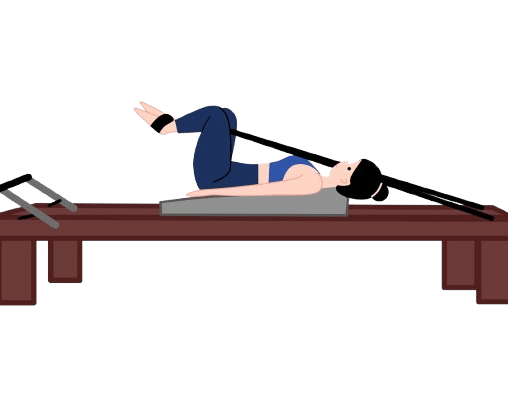
Getting started with Pilates is simple. All you need is a mat, comfortable clothing, and a willingness to learn. Whether your goal is to improve your fitness, recover from an injury, or enhance your athletic performance, the only thing left to do is try your first class.
Now that you know more about Pilates, why not take the next step? Discover the events, challenges, and activities offered by BougeBouge, explore our other articles to find your next favourite sport, and follow us on social media so you never miss our latest news. See you on the mat!